Australian Research Peptide Rules Explained
A plain-language look at the regulatory context for research-use peptides in Australia and what labs should verify when sourcing compounds.
Read article
Plain-language research reviews, compound analyses and laboratory references. Evidence over hype, written for in vitro research contexts.
A plain-language look at the regulatory context for research-use peptides in Australia and what labs should verify when sourcing compounds.
Read articleA comparison of three compounds frequently studied in tissue models, how their research backgrounds differ, and why they are often examined together.
Read article
A comparison of the two CJC-1295 forms, focusing on the single chemical modification that changes how long the peptide persists in research systems.
Read article
How Tesamorelin is positioned as a stabilised GHRH analogue and why it is used as a reference point in growth-hormone research.
Read article
A closer look at how Ipamorelin and CJC-1295 act on different receptors and timescales within the growth-hormone system.
Read article
How a peptide acting at three metabolic receptors differs from single- and dual-receptor designs in research models.
Read article
What distinguishes single, dual and triple receptor agonist profiles in metabolic peptide research.
Read article
Why glutathione draws research interest as an endogenous antioxidant, and how its cellular levels are studied in the lab.
Read article
The origins of Semax in neuropeptide research and its use as a tool for studying BDNF-related signalling.
Read article
How Melanotan II interacts with melanocortin pathways involved in pigmentation, and what researchers actually examine.
Read article
Two peptides often discussed together, explained by their distinct receptor pathways and research characteristics.
Read article
An overview of SS-31, its relationship with cardiolipin in mitochondrial membranes, and how laboratory findings differ from clinical claims.
Read article
The history of DSIP in sleep research, the small human studies that exist, and the limits of the current evidence base.
Read article
GLOW brings three research peptides together. A careful look at what each component is studied for, and why blend evidence is not the same as single-compound evidence.
Read article
A research-use overview of bacteriostatic water as a sterile reconstitution diluent and what to check when sourcing it for laboratory work.
Read article
What TB-500 10mg is supplied for in a research context, how vials are documented, and what labs should verify before ordering.
Read articleAn overview of BPC-157 10mg as a research material, including labelling, batch documentation and research-use scope.
Read article
A concise guide to KPV 10mg as a research compound, its documentation, and research-use considerations.
Read article
What the KLOW 80mg blend contains, how blends are documented, and what researchers should confirm about composition.
Read articleA comparison of GHK-Cu research vial sizes and what distinguishes a labelled amount from measured batch composition.
Read articleAn overview of the Retatrutide research vial range, how nominal amounts are labelled, and how batch documentation supports lab work.
Read articleWhat a purity percentage actually means in peptide testing, how HPLC measures it, and why testing conditions can affect the reported number.
Read article
Why correct reconstitution and storage matter as much as purity, and how avoidable handling mistakes compromise research material.
Read articleThe three numbers that matter most on a peptide COA — purity, mass and counter-ion content — and how to interpret them.
Read article
The general mathematics behind reconstitution ratios, presented as a concept rather than a protocol for any specific use.
Read articleA step-by-step view of how research peptides are assembled on solid-phase resin and how process choices influence final purity.
Read articleHow peptides are grouped by length and function, from short tripeptides to longer chains, and why classification matters in research.
Read articleWhy some peptides persist for days and others for minutes, and how structural features let researchers predict stability.
Read articleA research-use summary of the scheduling context around Thymosin Beta-4 and what it means for laboratory work.
Read article
What AOD-9604 is, where it came from, and what laboratory research does and does not support about this growth-hormone fragment.
Read article
A research-focused look at the synthetic tetrapeptide Epitalon, its study context, and what telomere research can responsibly support.
Read article
An evidence-led overview of Selank, its origin as a tuftsin analogue, and the boundaries of the research around stress and immune signalling.
Read article
A summary of KPV (Lys-Pro-Val), the cell and animal research behind it, and the limitations of the existing evidence.
Read article
How the KLOW blend is defined, what its four components are, and why a blend name, a label claim and measured batch composition are different things.
Read article
Why these two peptides are often paired in growth-hormone research, and how two different receptor targets relate to the same endocrine axis.
Read article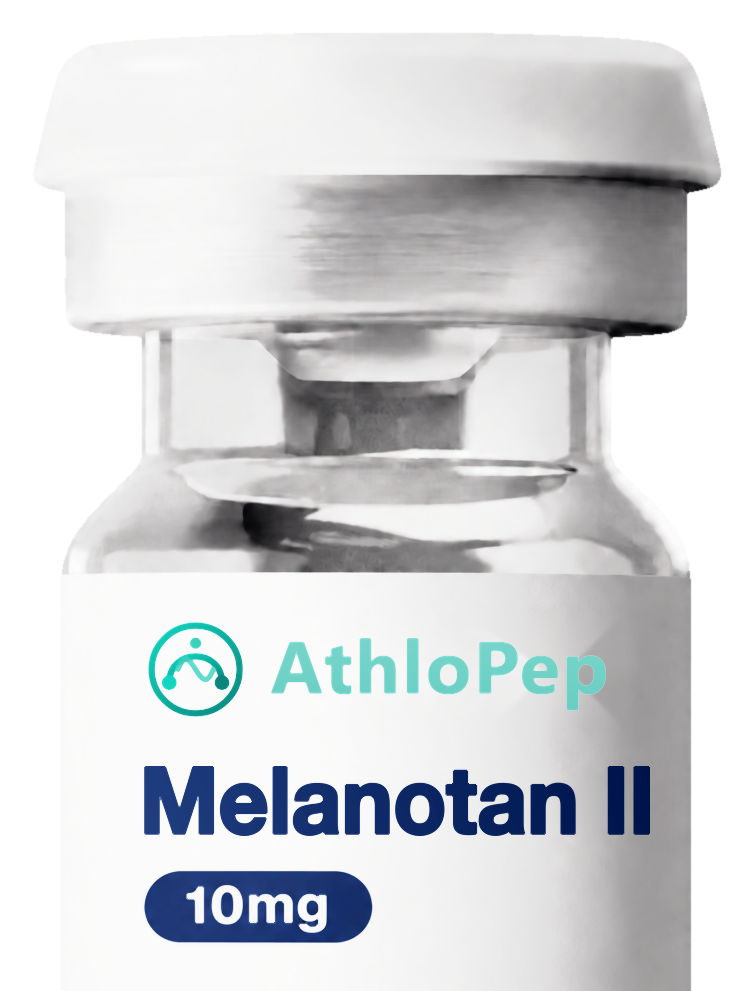
Separating media nicknames from the actual melanocortin receptor research background of Melanotan II.
Read articleWhat the 'Wolverine Stack' name refers to, how BPC-157 and TB-500 are studied, and where the evidence for each remains limited.
Read article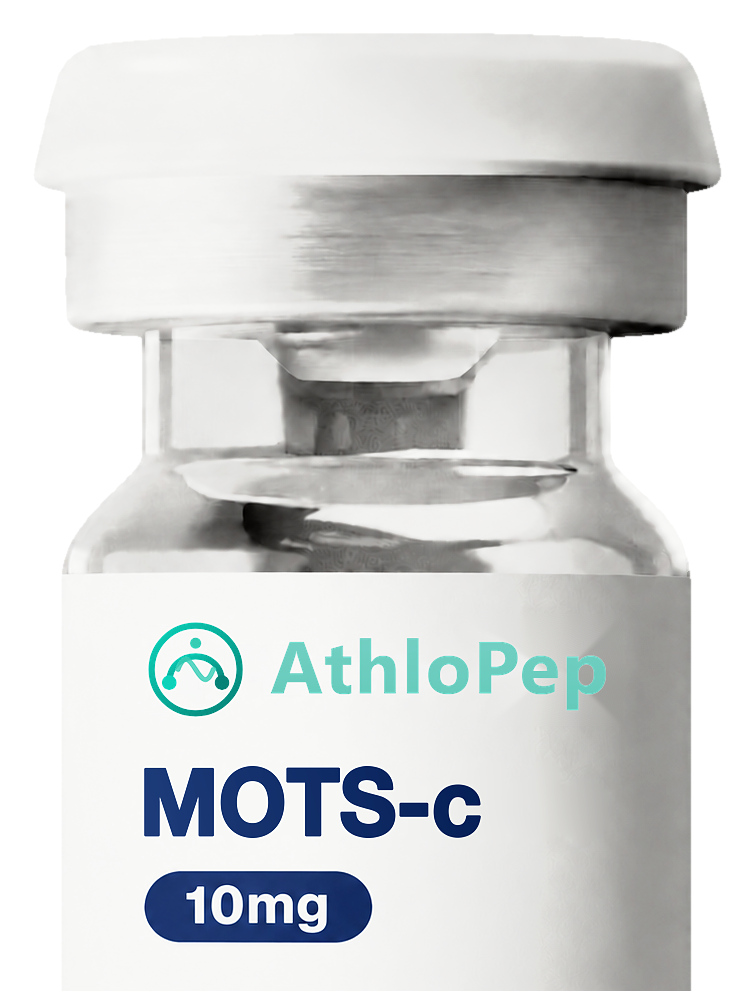
An introduction to MOTS-C, a peptide encoded by mitochondrial DNA, and its use in metabolic and stress-response research.
Read article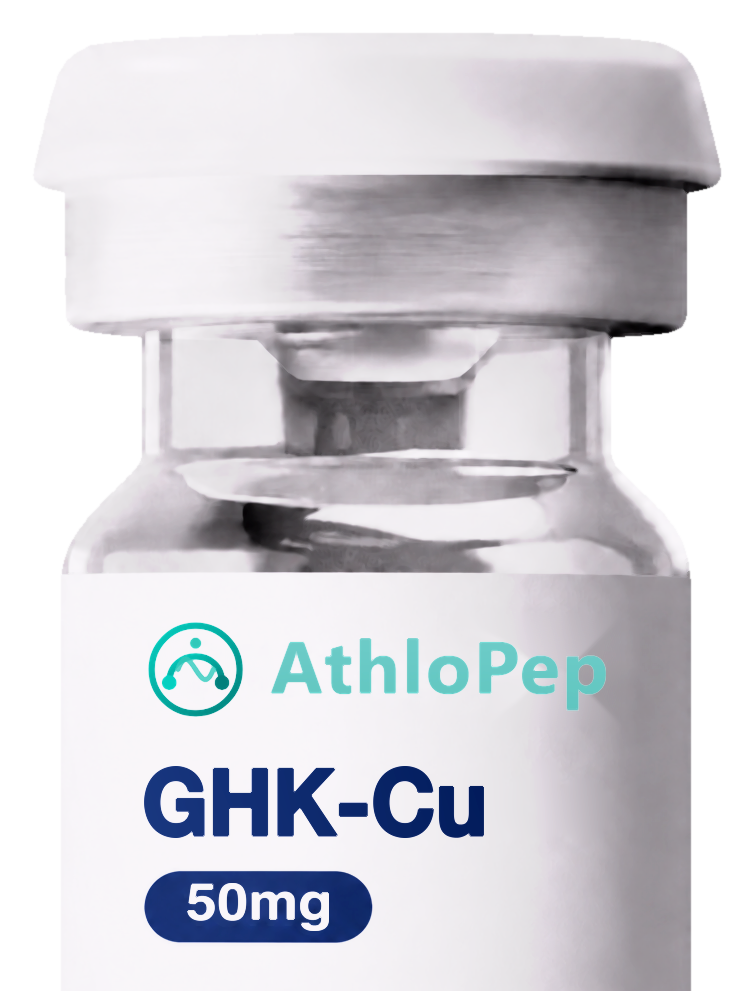
The naturally occurring copper tripeptide GHK-Cu, why its levels change with age, and what current cell-signalling research is examining.
Read article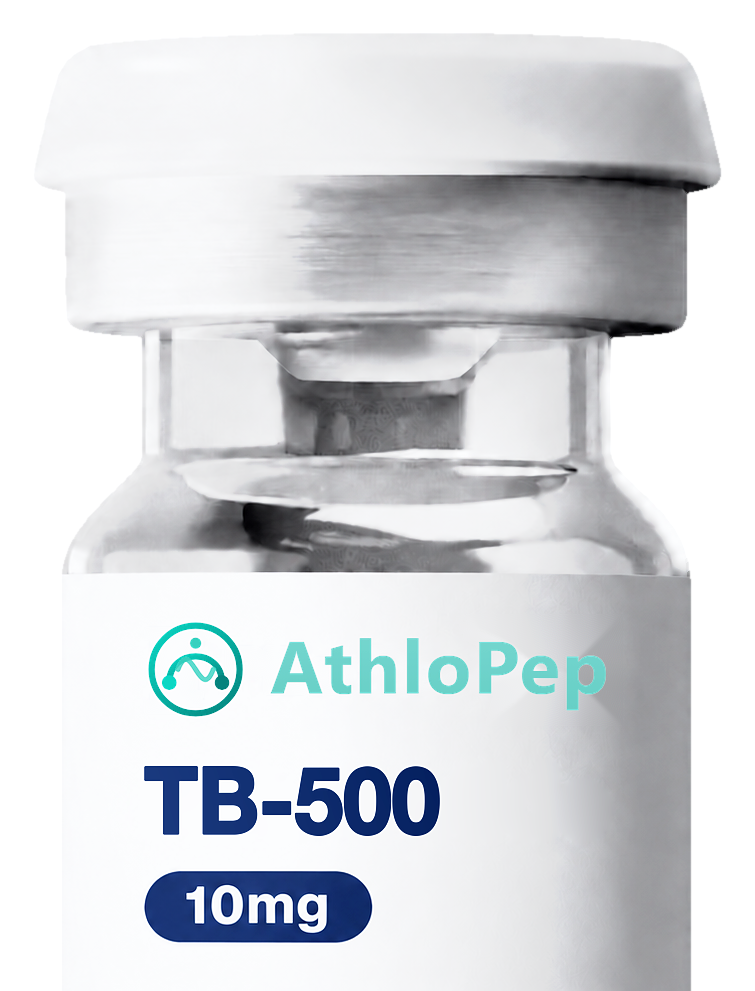
Although often mentioned together, TB-500 and BPC-157 are studied through different pathways and should not be treated as interchangeable.
Read articleAn overview of three central metabolic receptors and the design logic behind peptides engineered to act on more than one of them.
Read article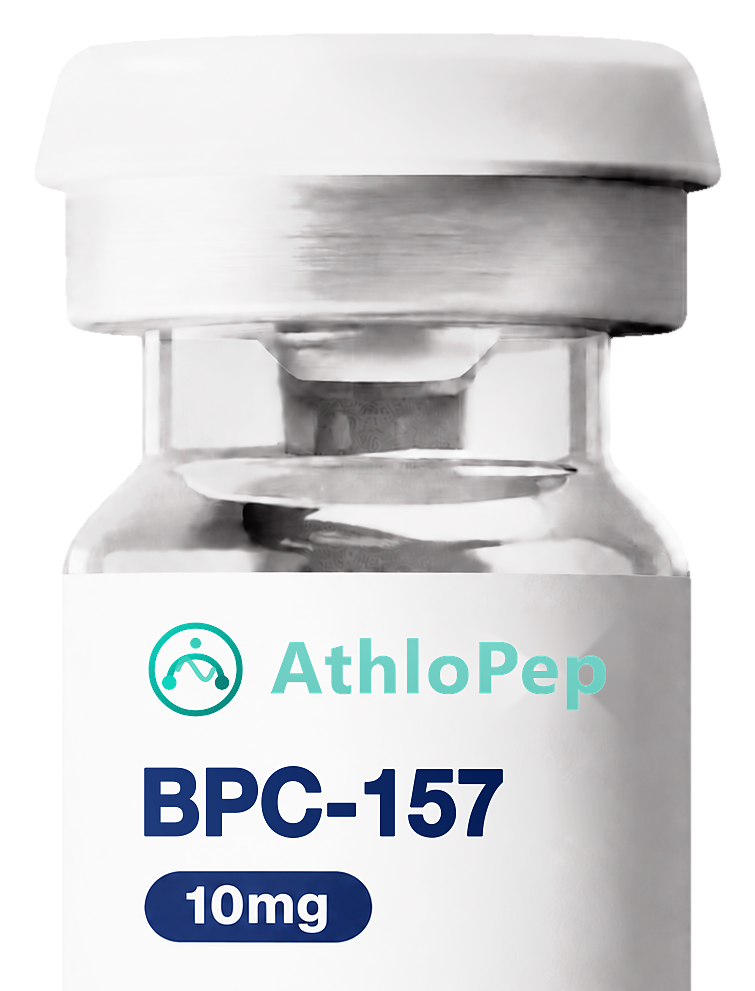
Separating hype from evidence for BPC-157 by focusing on laboratory and animal data rather than exaggerated claims.
Read articleTell us what you need. An email address is required so we can reply.