Peptides for Tissue Research: BPC-157, TB-500, GHK-Cu
A comparison of three compounds frequently studied in tissue models, how their research backgrounds differ, and why they are often examined together.
Read article
How a peptide acting at three metabolic receptors differs from single- and dual-receptor designs in research models.
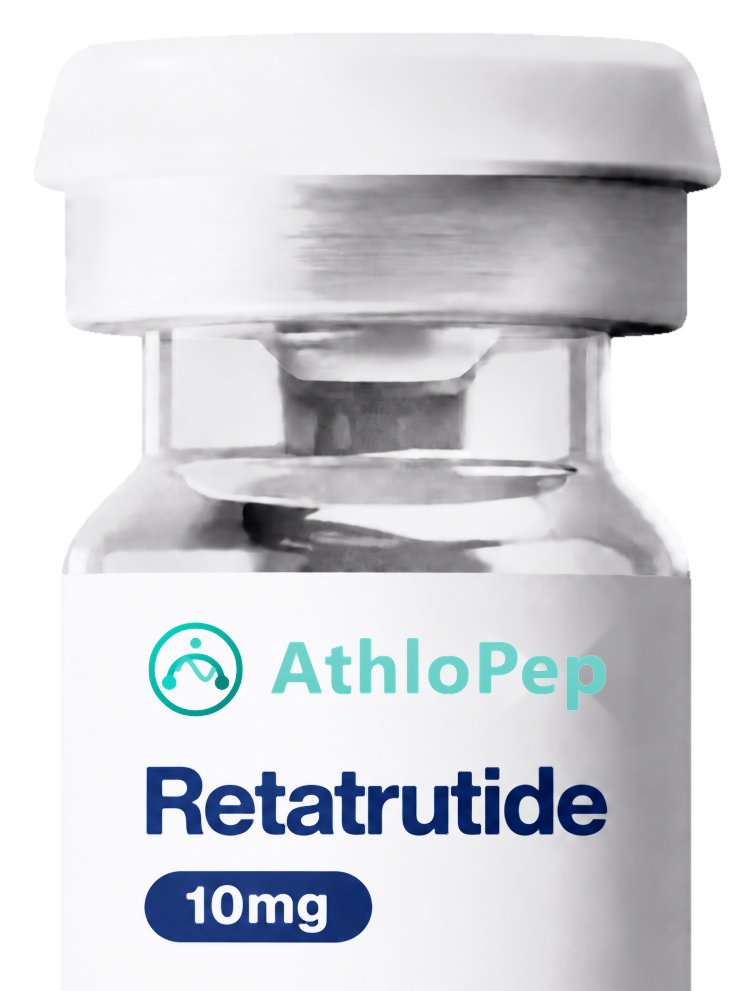
Retatrutide is the first peptide engineered to hit three metabolic receptors at once instead of one or two, a design shift that's forcing researchers to rethink what's possible in this drug class.
Buy Retatrutide (Reta) in Australia · compare strengths
Check current availability and choose options on the product page. Research Use Only.
Retatrutide is the first engineered peptide to simultaneously activate three key metabolic receptors, and it has sparked intense interest across academia.
Retatrutide is designed to bind three receptors: GLP‑1 (glucagon‑like peptide‑1, a hormone that enhances insulin secretion), GIP (glucose‑dependent insulinotropic polypeptide, which also promotes insulin release) and the glucagon receptor (which raises blood glucose but also stimulates energy expenditure). By attaching to each receptor, the peptide triggers a cascade of intracellular signals – chiefly the cyclic AMP pathway – that ultimately modify how pancreatic beta cells release insulin, how the liver processes glucose, and how adipose tissue mobilises fat. The combined effect is hypothesised to produce a more balanced metabolic response than targeting a single receptor.
Operator’s desk: The triple‑agonist design is still novel; most pre‑clinical work uses rodent models that may not fully replicate human receptor distribution.
In cultured pancreatic beta cells, retatrutide has been shown to raise cAMP levels more than a GLP‑1‑only peptide, indicating additive signalling through the GIP receptor. Hepatocyte (liver cell) experiments demonstrated modest increases in glucose production, consistent with glucagon‑receptor activation, while also showing enhanced fatty‑acid oxidation compared with GLP‑1 alone. These laboratory findings suggest that the peptide can coordinate multiple metabolic pathways in a single cellular environment.
In diet‑induced obese mice, chronic dosing of retatrutide resulted in lower fasting glucose levels and a modest reduction in body weight compared with control groups. Researchers measured food intake, energy expenditure, and insulin sensitivity; the triple agonist produced a more pronounced increase in oxygen consumption (a proxy for metabolic rate) than tirzepatide, which only activates GLP‑1 and GIP receptors. Importantly, the mouse studies also noted a dose‑dependent rise in circulating glucagon, a signal that investigators are monitoring for safety implications.
To date, publicly available data on retatrutide in people are limited to early‑phase clinical investigations that have not been fully disclosed. Most of the published information comes from company press releases describing trends toward improved glycaemic markers, but peer‑reviewed results are not yet available. The absence of robust human data means that conclusions about efficacy, safety or comparative performance remain speculative.
Semaglutide is a selective GLP‑1 receptor agonist; its effects are largely confined to insulin secretion and appetite regulation. Tirzepatide adds GIP receptor activation, which modestly expands insulinotropic activity and may affect lipid handling. Retatrutide goes a step further by also triggering the glucagon receptor, introducing a metabolic‑boosting signal that can raise energy expenditure. Early animal work suggests the triple approach may yield greater increases in metabolic rate than tirzepatide, but the added glucagon activity also raises questions about potential hyperglycaemic spikes that are not seen with the other two compounds.
Key gaps include the long‑term safety of sustained glucagon receptor activation, the optimal exposure window for balanced signalling, and the variability of response across different genetic backgrounds. Human pharmacokinetic data (how long the peptide stays active in the bloodstream) are still being gathered, and no large‑scale trials have yet examined outcomes such as cardiovascular risk or renal function. Until these questions are answered, the translational relevance of the pre‑clinical findings cannot be fully assessed.
All information presented here is for research and educational purposes only. Retatrutide, semaglutide and tirzepatide are not listed on the Australian Therapeutic Goods Administration (ARTG) for human or animal consumption and should not be used outside of regulated laboratory settings.
Links lead to the original paper, DOI record, or open-access full text where available.
This compound is supplied for in vitro laboratory and educational research only. It is not listed on the Australian Register of Therapeutic Goods (ARTG) and is not a therapeutic good under the Therapeutic Goods Act 1989 (Cth). Not for human or animal consumption, therapeutic use, or diagnostic procedures. By purchasing, you confirm you are a qualified researcher or acting on behalf of a licensed research facility, and you assume full responsibility for the safe handling, storage, and lawful use of this compound.
A comparison of three compounds frequently studied in tissue models, how their research backgrounds differ, and why they are often examined together.
Read article
A comparison of the two CJC-1295 forms, focusing on the single chemical modification that changes how long the peptide persists in research systems.
Read article
How Tesamorelin is positioned as a stabilised GHRH analogue and why it is used as a reference point in growth-hormone research.
Read article
A closer look at how Ipamorelin and CJC-1295 act on different receptors and timescales within the growth-hormone system.
Read articleTell us what you need. An email address is required so we can reply.