Bacteriostatic Water 10mL for Lab Preparation
A research-use overview of bacteriostatic water as a sterile reconstitution diluent and what to check when sourcing it for laboratory work.
Read article
A concise guide to KPV 10mg as a research compound, its documentation, and research-use considerations.
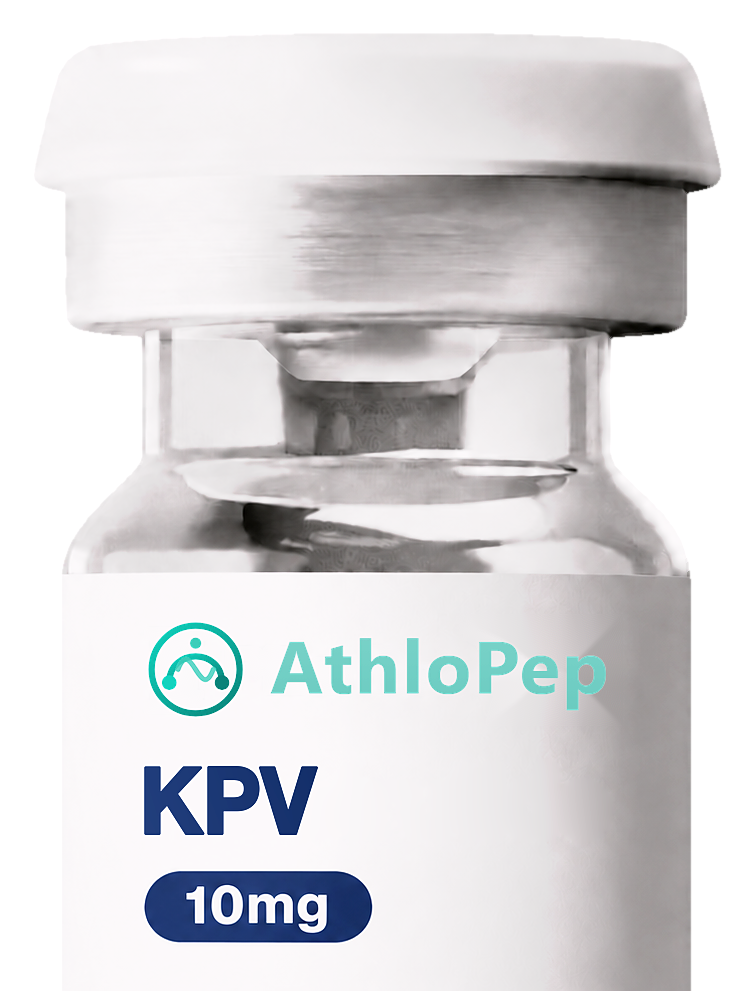
The price for KPV 10mg is $84.99 at , a trusted Australian supplier. on orders . View the catalogue here. Research Use Only.
Check current availability and choose options on the product page. Research Use Only.
In stock · Australian dispatch; check the current dispatch estimate.
99.765% purity · batch JUNE-2026-198517 · tested 2026-07-25
Note the net content sits above the labelled pack size. Overfill is normal and is documented rather than assumed — it is the batch report, not the label, that states what was measured.
KPV is a tripeptide: lysine, proline, valine. Short sequences are simpler to synthesise than long ones, so buyers often expect the price to track the amino-acid count. It does not, and the reasons are worth understanding before comparing offers.
The practical consequence: an unusually cheap KPV offer is more likely to be missing analysis than to reflect efficient synthesis. The COA review checklist covers what a complete report should contain.
Listings for KPV vary widely in what they disclose, and the gaps are usually in the same places. Before treating two prices as comparable, check that both pages answer all five of these.
A listing missing three or more of these is not cheaper on equivalent terms; it is quoting a different, less documented product.
KPV is also one of the four components of the KLOW blend, which raises an obvious question when comparing prices. The released KLOW batch reports GHK-Cu 66.97mg; TB-500 11.41mg; BPC-157 11.23mg; KPV 10.35mg , so the KPV fraction inside a KLOW vial is documented rather than assumed.
The current standalone KPV report lists 99.765% purity. The linked KLOW report instead records component identity and amounts and does not include peptide purity. These are different analyses of different supplied materials; a result for standalone KPV cannot be used as a purity result for the KLOW blend.
KPV is the C-terminal fragment of alpha-melanocyte-stimulating hormone. The parent molecule has been studied for anti-inflammatory signalling, [ 1 ] and reviews have examined alpha-MSH and its related tripeptides across in-vitro and in-vivo systems. [ 2 ] KPV itself has been examined in murine models of intestinal inflammation [ 3 ] and in work describing PepT1-mediated uptake in intestinal cells. [ 4 ]
These are cell and animal findings. We have not identified published clinical trials establishing KPV’s safety, efficacy or pharmacokinetics in people, so the evidence should be read as preliminary laboratory and animal research rather than as a basis for human use. The KPV research overview goes through the studies and their limits in detail.
Evidence note: this article describes procurement facts and research literature only. It is not a recommendation, a protocol, or evidence of safety or efficacy in humans.
KPV is a preorder line, so the dispatch window is the figure to check alongside price. Verify the live price, current preorder window and batch report on the KPV product page before ordering.
KPV is supplied for research and educational purposes only. It is not listed on the Australian Register of Therapeutic Goods (ARTG) and must not be consumed by humans or animals. All experimental use should follow institutional safety guidelines and relevant regulations.
Comparing KPV offers? View KPV in Australia . For related research, see the KPV research overview and the KLOW blend identity review , which covers KPV as a blend component.
Links lead to the original paper, DOI record, or open-access full text where available.
This compound is supplied for in vitro laboratory and educational research only. It is not listed on the Australian Register of Therapeutic Goods (ARTG) and is not a therapeutic good under the Therapeutic Goods Act 1989 (Cth). Not for human or animal consumption, therapeutic use, or diagnostic procedures. By purchasing, you confirm you are a qualified researcher or acting on behalf of a licensed research facility, and you assume full responsibility for the safe handling, storage, and lawful use of this compound.
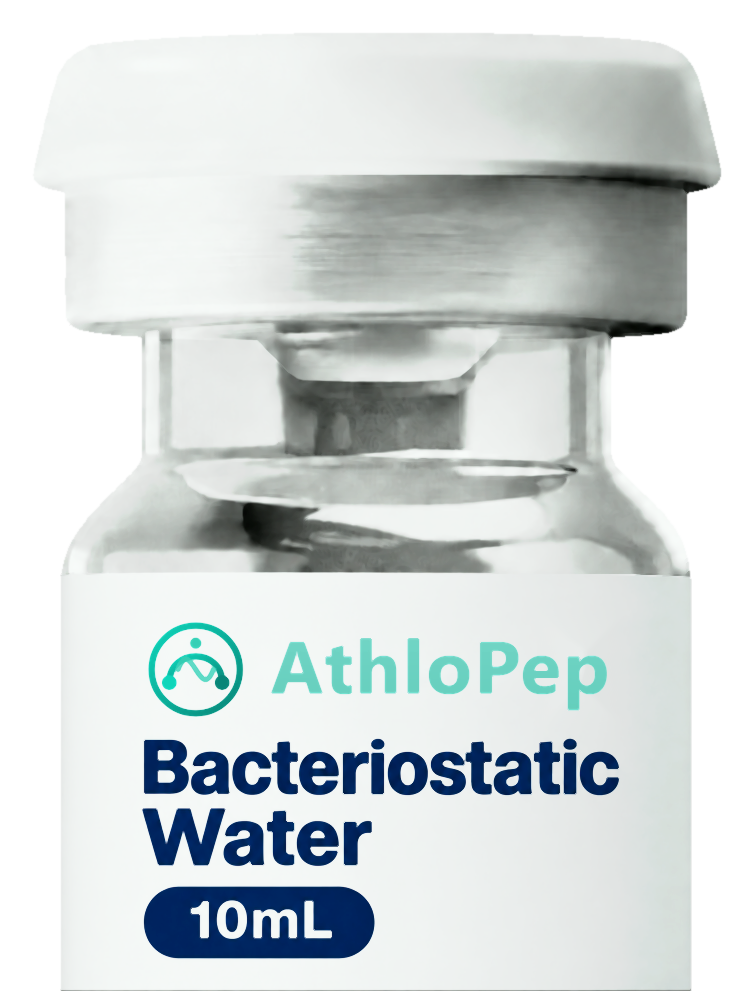
A research-use overview of bacteriostatic water as a sterile reconstitution diluent and what to check when sourcing it for laboratory work.
Read article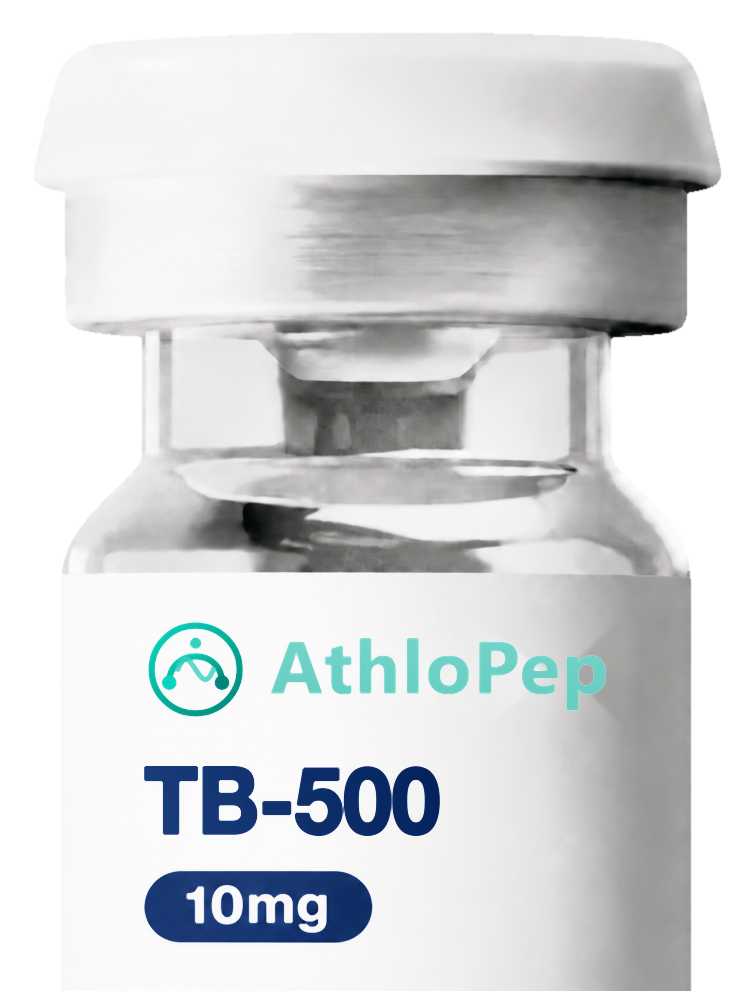
What TB-500 10mg is supplied for in a research context, how vials are documented, and what labs should verify before ordering.
Read articleAn overview of BPC-157 10mg as a research material, including labelling, batch documentation and research-use scope.
Read article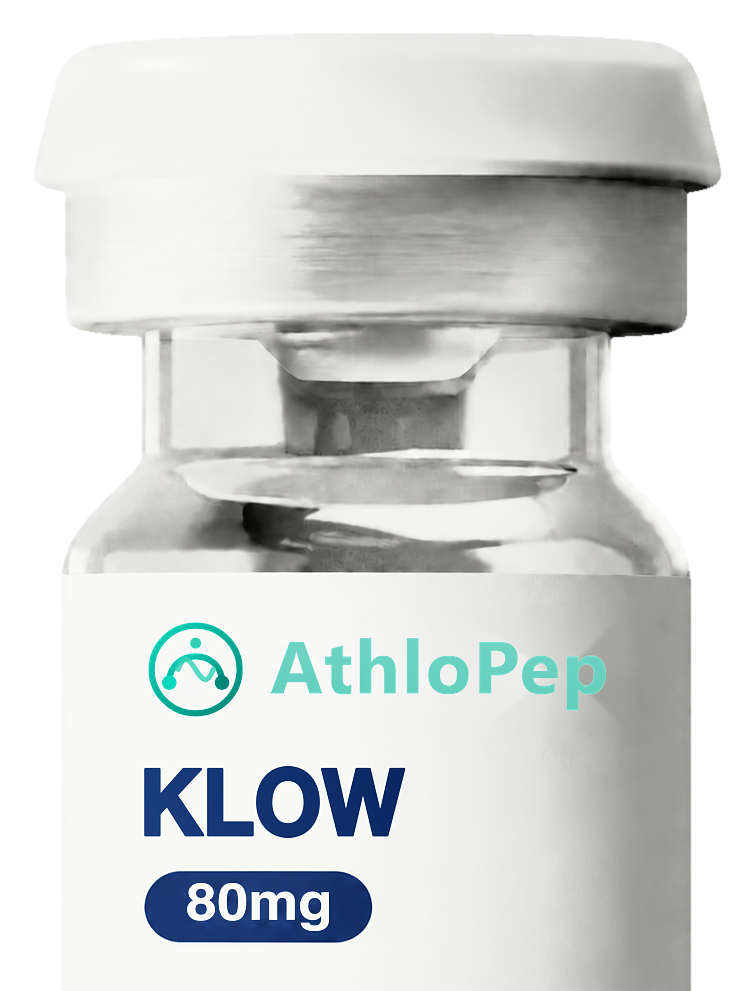
What the KLOW 80mg blend contains, how blends are documented, and what researchers should confirm about composition.
Read articleTell us what you need. An email address is required so we can reply.