Epitalon: Research Background and Evidence
A research-focused look at the synthetic tetrapeptide Epitalon, its study context, and what telomere research can responsibly support.
Read article
What AOD-9604 is, where it came from, and what laboratory research does and does not support about this growth-hormone fragment.
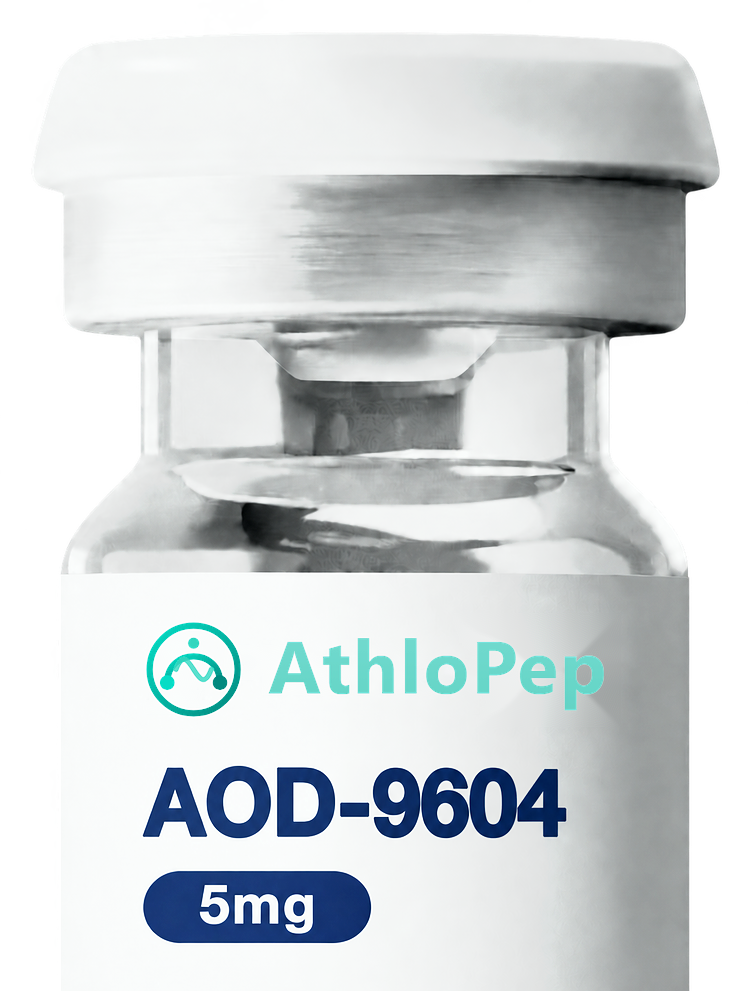
A plain-English guide to AOD-9604, the modified HGH fragment studied for lipid-metabolism pathways. What the published evidence shows and where the claims outrun the data.
Check current availability and choose options on the product page. Research Use Only.
AOD-9604 is a modified fragment of human growth hormone - a small piece of the molecule, not the whole thing. It was developed to study whether a fragment could affect lipid (fat) metabolism without the broad effects of full growth hormone. This guide covers what the research actually shows.
The core question behind AOD-9604 research is simple: can a fragment of growth hormone influence how cells process fat? The published work looks at three levels: cells, fat tissue, and whole animals.
The idea is that the fragment interacts with the same signalling systems growth hormone uses to regulate fat metabolism, but without triggering the full receptor activity of the whole hormone. The papers describe effects on lipolysis in fat cells and lipid processing in liver cells. [ 1 ] , [ 2 ]
Studies in cultured human fat cells and liver cells reported that AOD-9604 changes lipid-processing activity in those specific models. [ 1 ] , [ 2 ] These are controlled lab observations about cell chemistry.
A mouse study from the same group reported reduced body weight gain with AOD-9604 treatment. [ 3 ] One study, one group, one rodent model.
There is no modern, large, independent human trial. Most of the published work comes from the early 2000s and a small group of researchers. Online claims about fat loss go far beyond the source data.
AOD-9604 is a legitimate research peptide with a small, dated, mostly single-group evidence base. The cell and mouse findings are citable. The human fat-loss claims are not supported by the literature. Plan experiments around what the papers actually show.
Evidence note: this overview describes research literature only. It is not a recommendation, a protocol, or evidence of safety or efficacy in humans.
AOD-9604 is supplied for research and educational purposes only. It is not listed on the Australian Register of Therapeutic Goods (ARTG) and must not be consumed by humans or animals.
Researching metabolic pathways? View AOD-9604 . For related research, see the incretin receptor biology review and triple agonism and Retatrutide .
Links lead to the original paper, DOI record, or open-access full text where available.
This compound is supplied for in vitro laboratory and educational research only. It is not listed on the Australian Register of Therapeutic Goods (ARTG) and is not a therapeutic good under the Therapeutic Goods Act 1989 (Cth). Not for human or animal consumption, therapeutic use, or diagnostic procedures. By purchasing, you confirm you are a qualified researcher or acting on behalf of a licensed research facility, and you assume full responsibility for the safe handling, storage, and lawful use of this compound.
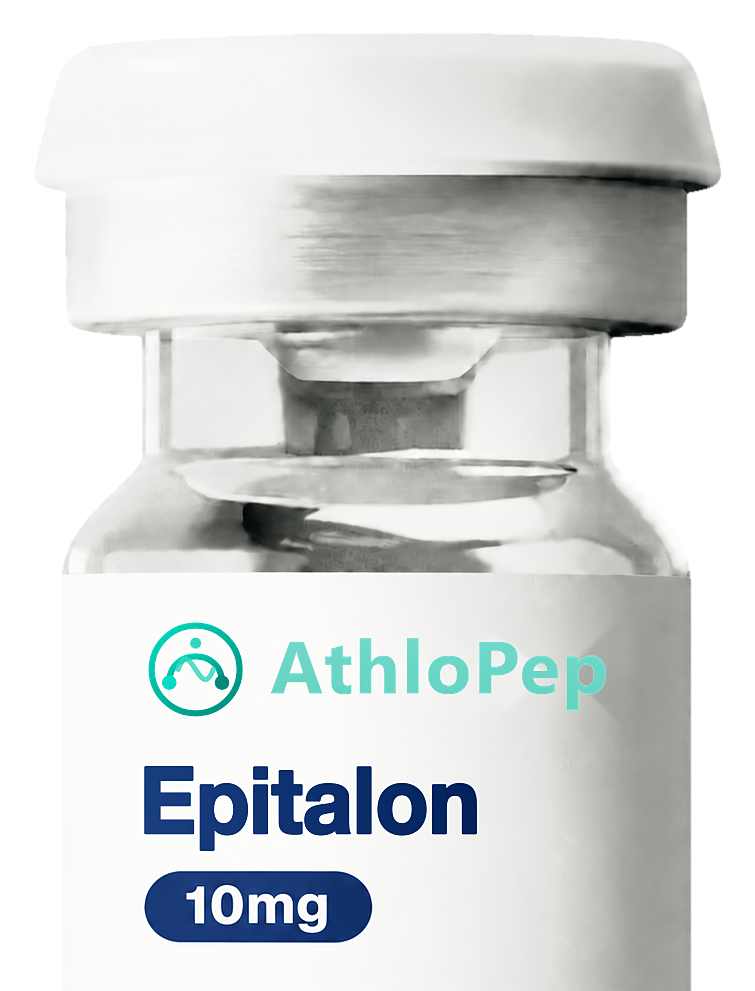
A research-focused look at the synthetic tetrapeptide Epitalon, its study context, and what telomere research can responsibly support.
Read article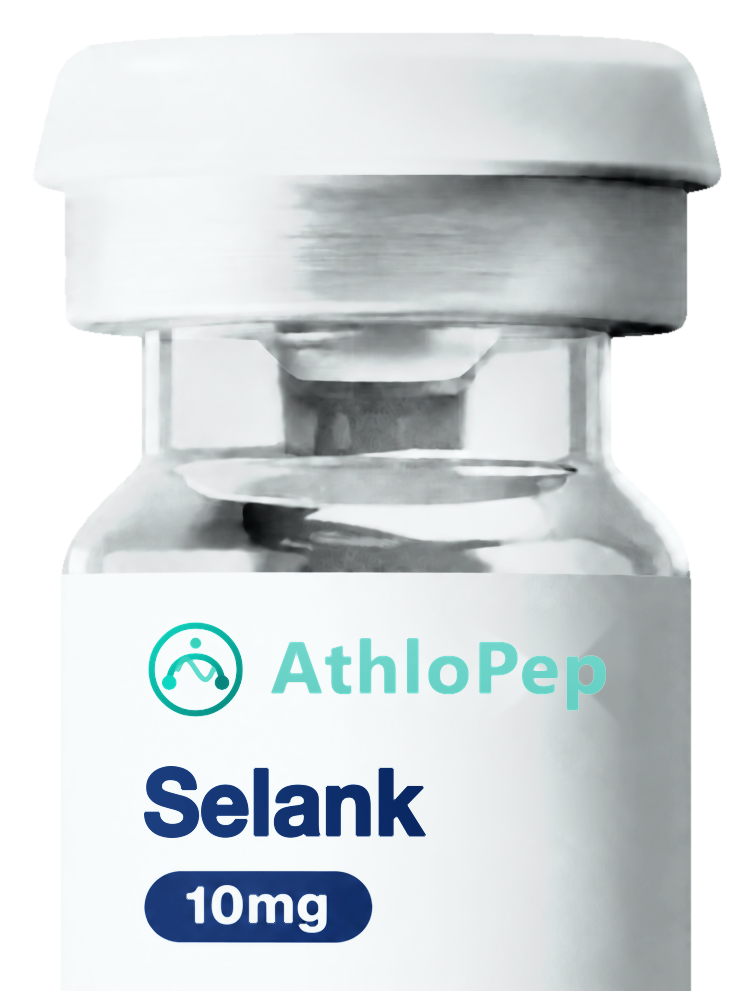
An evidence-led overview of Selank, its origin as a tuftsin analogue, and the boundaries of the research around stress and immune signalling.
Read article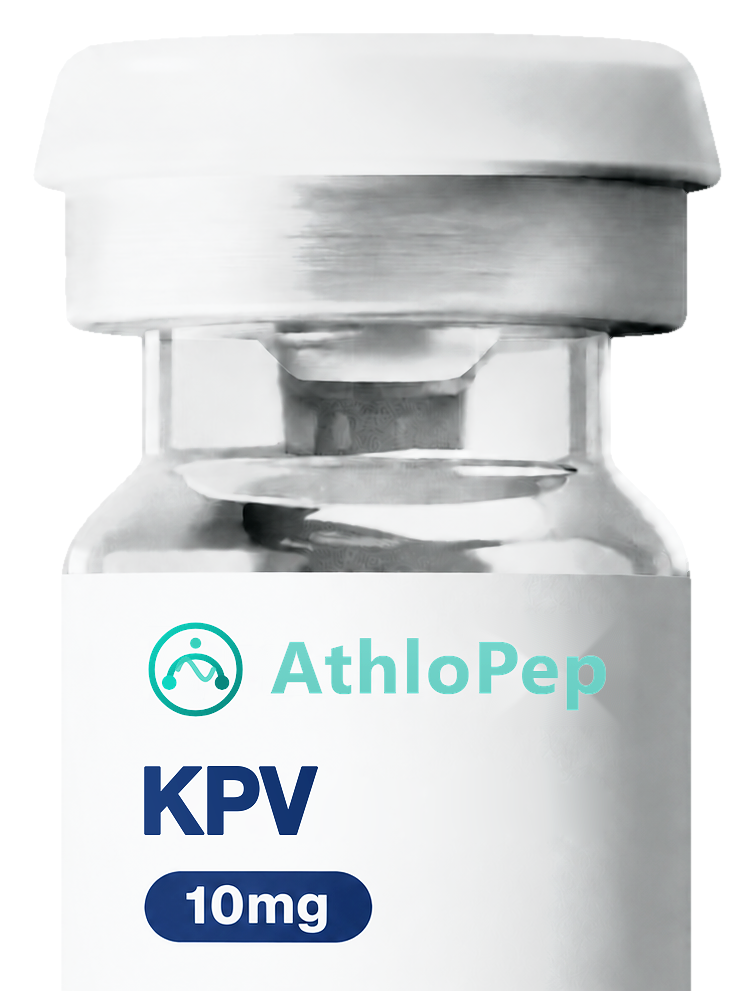
A summary of KPV (Lys-Pro-Val), the cell and animal research behind it, and the limitations of the existing evidence.
Read article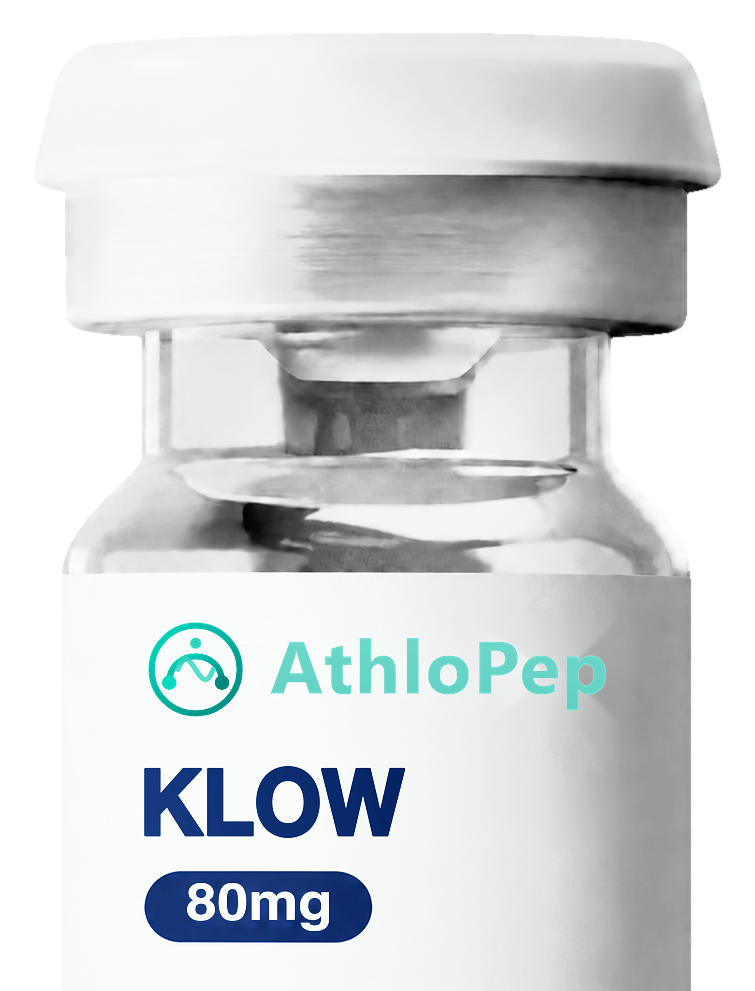
How the KLOW blend is defined, what its four components are, and why a blend name, a label claim and measured batch composition are different things.
Read articleTell us what you need. An email address is required so we can reply.