AOD-9604: A Research Overview
What AOD-9604 is, where it came from, and what laboratory research does and does not support about this growth-hormone fragment.
Read article
What the 'Wolverine Stack' name refers to, how BPC-157 and TB-500 are studied, and where the evidence for each remains limited.
Wolverine Stack combines BPC-157 and TB-500 in one research vial. The strength describes the total labelled blend amount.
Prices are in AUD per research vial before shipping and any additional discounts. Research Use Only.
If you've spent any time in peptide research forums, you've probably seen the term "Wolverine Stack" - a nickname for combining BPC-157 and TB-500, borrowed from the comic-book character famous for near-instant healing. It's a memorable label, but it also raises a fair question: is there an actual research rationale for pairing these two compounds, or is it just a catchy name that stuck?
Both BPC-157 and TB-500 are studied heavily in tissue-research contexts - tendon, ligament, muscle, and gastrointestinal models feature prominently in the published literature for each. That shared research theme, combined with a nickname that's easy to remember and share online, is largely why the "Wolverine" branding took hold in research communities. It's a naming convention, not a claim about outcomes - uses it here only because it's the term people actually search for.
The more useful question is mechanistic: do BPC-157 and TB-500 act through the same pathway, or different ones? The published preclinical literature points to different ones. BPC-157's activity is most associated with the nitric oxide system, growth-factor receptor expression, and the FAK-paxillin signalling pathway. TB-500's activity centres on direct cytoskeletal modulation - it sequesters G-actin monomers and shifts the balance between G-actin and F-actin polymerisation, which underlies cell migration and structural remodelling.
Because the two compounds enter tissue-repair-adjacent biology from different molecular directions, researchers studying comparative or combined effects treat them as complementary rather than redundant. That's the actual research rationale behind pairing them - not the nickname itself, but the fact that they're mechanistically distinct enough to be worth studying side by side.
As with both compounds individually, the published data is preclinical - animal and in-vitro models, not human clinical trials. Studies examining BPC-157 and TB-500 in combination specifically are less common than studies of each compound alone; most of the "stack" rationale is extrapolated from comparing the two separate mechanism-of-action literatures rather than from dedicated combination trials. That's an important distinction for anyone trying to separate community naming conventions from what's actually been published.
Dedicated head-to-head or combination studies remain limited. Questions about how the two mechanisms interact when studied together - whether effects are additive, synergistic, or simply parallel - are still open in the literature. As with each compound individually, no human clinical trial data exists for either compound alone or in combination.
BPC-157 and TB-500 are supplied by for in vitro laboratory research use only, under the Research Use Only (RUO) framework. Neither is listed on the Australian Register of Therapeutic Goods (ARTG), and neither is intended for human or animal consumption, therapeutic use, or diagnostic procedures.
Links lead to the original paper, DOI record, or open-access full text where available.
This compound is supplied for in vitro laboratory and educational research only. It is not listed on the Australian Register of Therapeutic Goods (ARTG) and is not a therapeutic good under the Therapeutic Goods Act 1989 (Cth). Not for human or animal consumption, therapeutic use, or diagnostic procedures. By purchasing, you confirm you are a qualified researcher or acting on behalf of a licensed research facility, and you assume full responsibility for the safe handling, storage, and lawful use of this compound.
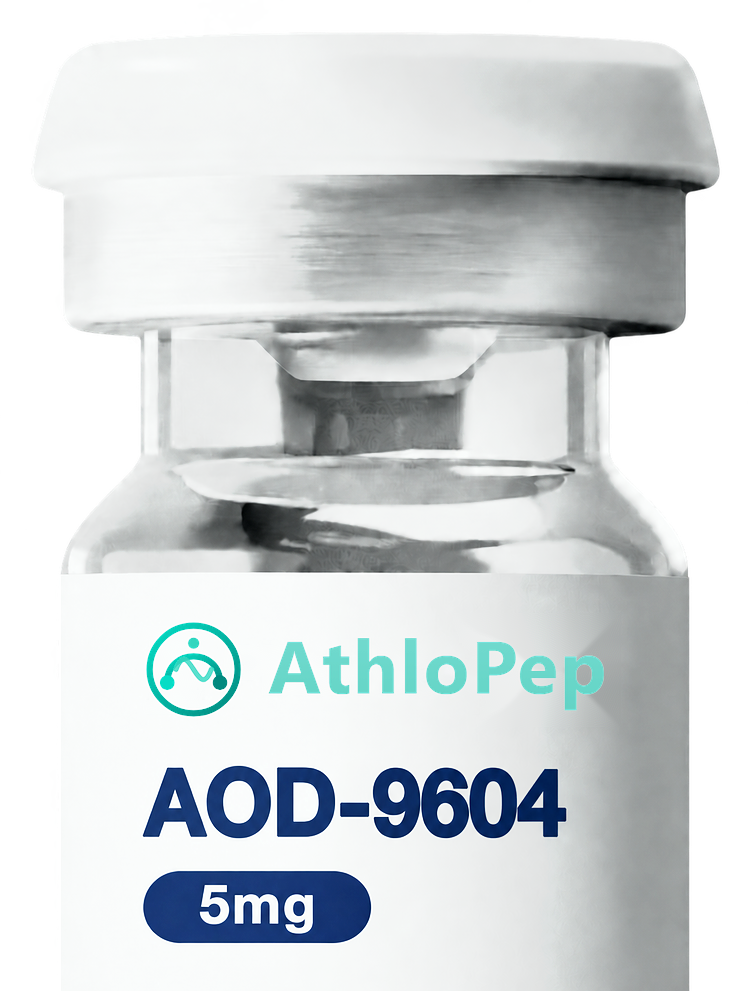
What AOD-9604 is, where it came from, and what laboratory research does and does not support about this growth-hormone fragment.
Read article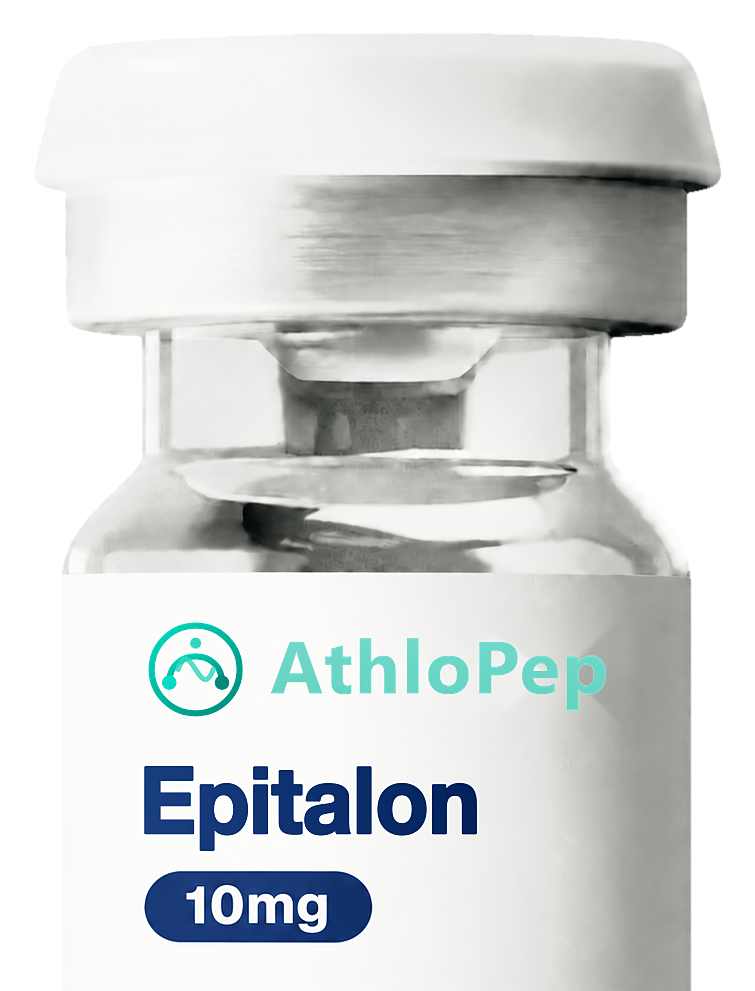
A research-focused look at the synthetic tetrapeptide Epitalon, its study context, and what telomere research can responsibly support.
Read article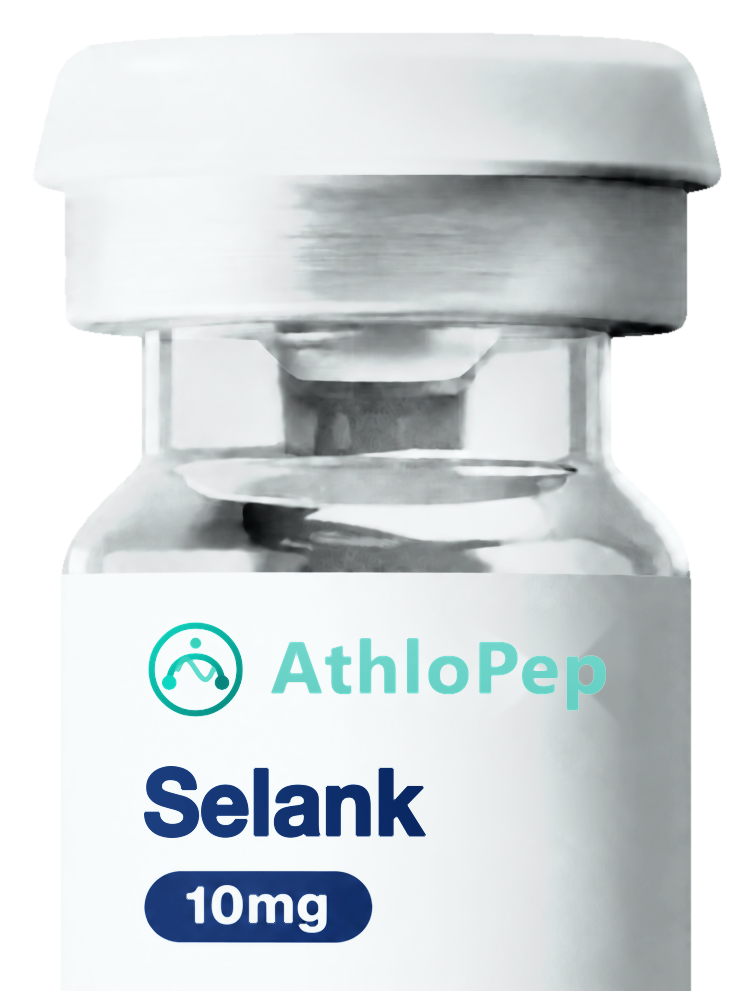
An evidence-led overview of Selank, its origin as a tuftsin analogue, and the boundaries of the research around stress and immune signalling.
Read article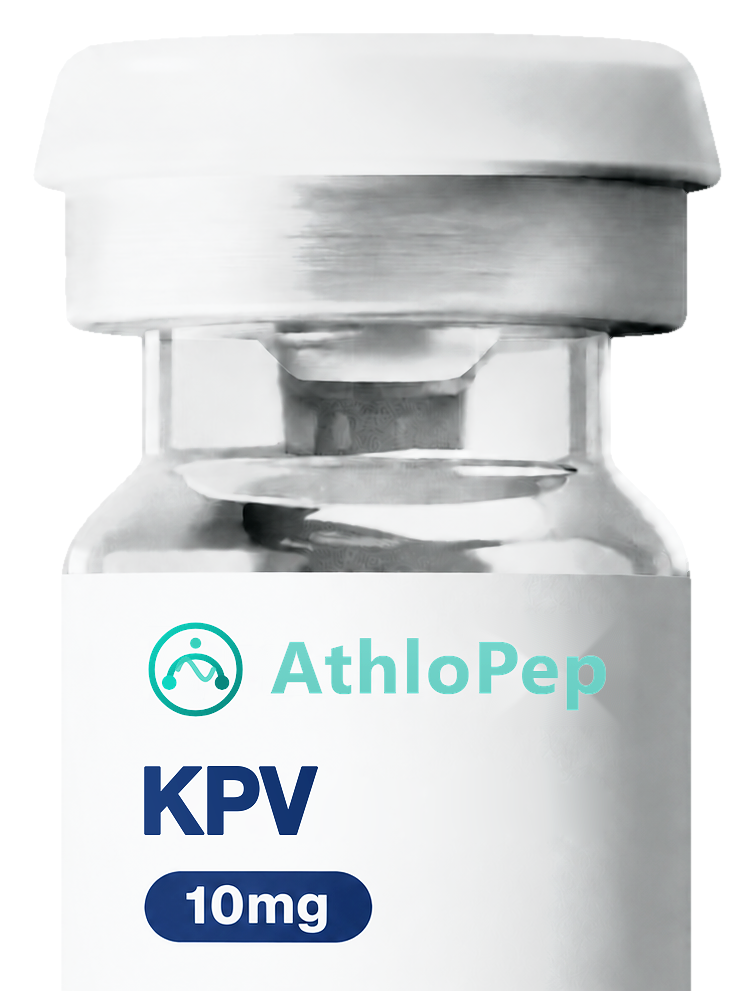
A summary of KPV (Lys-Pro-Val), the cell and animal research behind it, and the limitations of the existing evidence.
Read articleTell us what you need. An email address is required so we can reply.