Bacteriostatic Water 10mL for Lab Preparation
A research-use overview of bacteriostatic water as a sterile reconstitution diluent and what to check when sourcing it for laboratory work.
Read article
A comparison of GHK-Cu research vial sizes and what distinguishes a labelled amount from measured batch composition.
Compare the 50mg and 100mg GHK-Cu research vials. Each listing shows availability for the selected strength.
Prices are in AUD per research vial before shipping and any additional discounts. Research Use Only.
GHK-Cu is not a plain peptide. It is a tripeptide (glycyl-L-histidyl-L-lysine) in complex with copper, so a vial contains peptide plus co-ordinated copper, and the two are weighed differently depending on what the label is describing. This is the single most common source of confusion when comparing copper-peptide prices between suppliers.
The released batch makes the distinction explicit. Batch 2026-210952 reports a net content of 71.02mg GHK-Cu (59.09mg GHK; 11.93mg copper) . In other words, the labelled 50mg refers to the peptide portion, while the total complex in the vial weighs more once the co-ordinated copper is counted.
Two vials both labelled “50mg GHK-Cu” can contain measurably different amounts of peptide if one supplier is weighing the complex and the other is weighing the tripeptide. Ask which figure the label refers to before comparing price per milligram.
Compare GHK-Cu 50mg with GHK-Cu 100mg . These are separate vial presentations with separate product URLs. The 100mg label states twice the nominal amount of the 50mg label, but the analytical evidence must be checked separately. The 50mg batch results discussed above do not establish the measured content or purity of the 100mg vial.
The milligram figure describes the material supplied in one vial. It is not a dosing instruction. Each product page is the current source for its price and ordering options. Research Use Only.
Start with price per stated milligram, then verify that the stated milligram means the same thing on both pages. After that, the checks are the same as for any research peptide.
The COA review checklist and the identity-versus-purity guide set out a method-aware way to document those checks.
GHK-Cu has been studied for copper co-ordination and for its behaviour in skin-model systems. Published work includes copper-binding characterisation in a zebrafish model [ 1 ] and in-vitro penetration work on a copper tripeptide in skin preparations. [ 2 ] These are laboratory findings about the molecule and its handling, not evidence of outcomes in people.
For the fuller research picture, including the historical characterisation literature, see the GHK-Cu research overview .
Evidence note: this article describes procurement facts and research literature only. It is not a recommendation, a protocol, or evidence of safety or efficacy in humans.
Check the selected strength for its current price, availability, dispatch terms and matching batch record.
GHK-Cu is supplied for research and educational purposes only. It is not listed on the Australian Register of Therapeutic Goods (ARTG) and must not be consumed by humans or animals. All experimental use should follow institutional safety guidelines and relevant regulations.
Comparing copper-peptide options? View GHK-Cu in Australia . For related research, see the GHK-Cu research overview and the KLOW blend identity review , which covers GHK-Cu as a blend component.
Links lead to the original paper, DOI record, or open-access full text where available.
This compound is supplied for in vitro laboratory and educational research only. It is not listed on the Australian Register of Therapeutic Goods (ARTG) and is not a therapeutic good under the Therapeutic Goods Act 1989 (Cth). Not for human or animal consumption, therapeutic use, or diagnostic procedures. By purchasing, you confirm you are a qualified researcher or acting on behalf of a licensed research facility, and you assume full responsibility for the safe handling, storage, and lawful use of this compound.
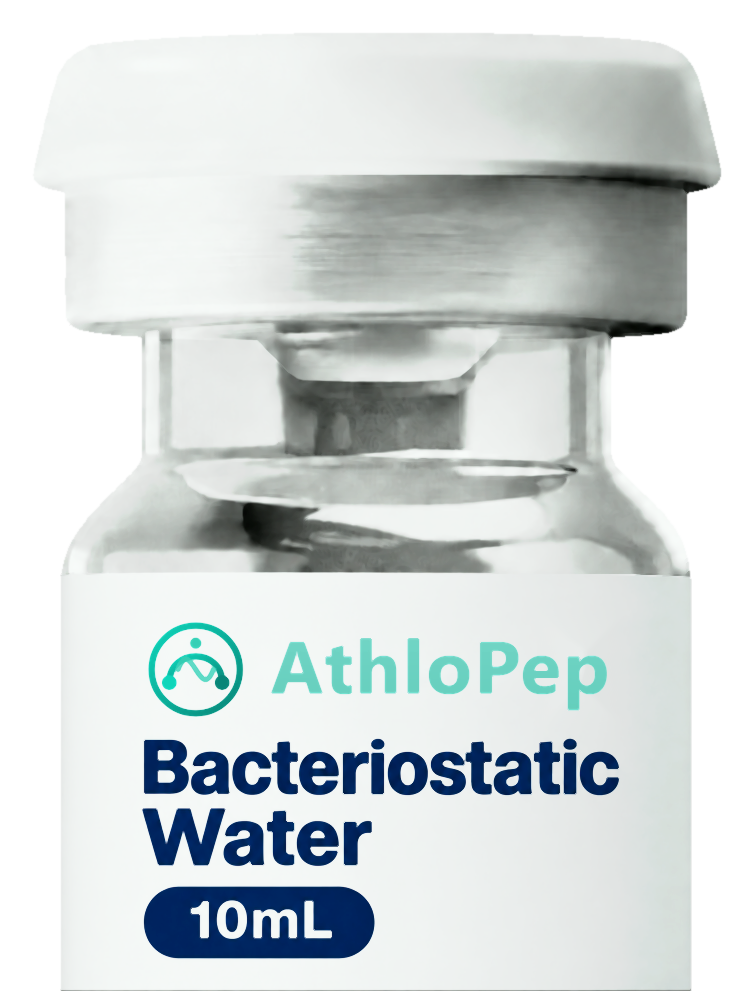
A research-use overview of bacteriostatic water as a sterile reconstitution diluent and what to check when sourcing it for laboratory work.
Read article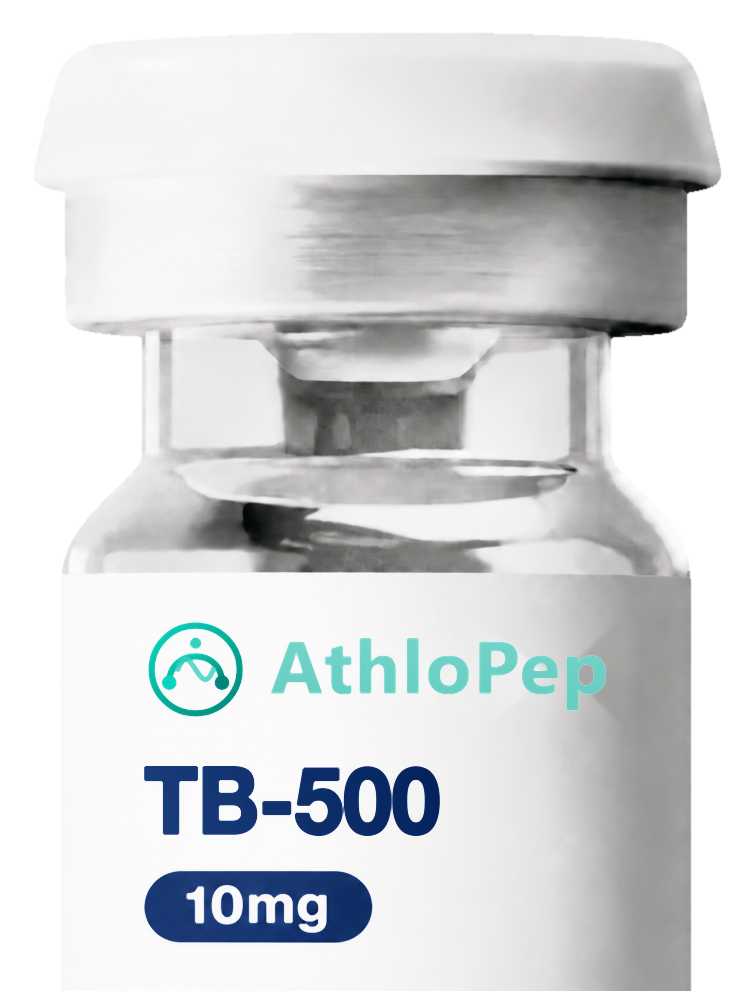
What TB-500 10mg is supplied for in a research context, how vials are documented, and what labs should verify before ordering.
Read articleAn overview of BPC-157 10mg as a research material, including labelling, batch documentation and research-use scope.
Read article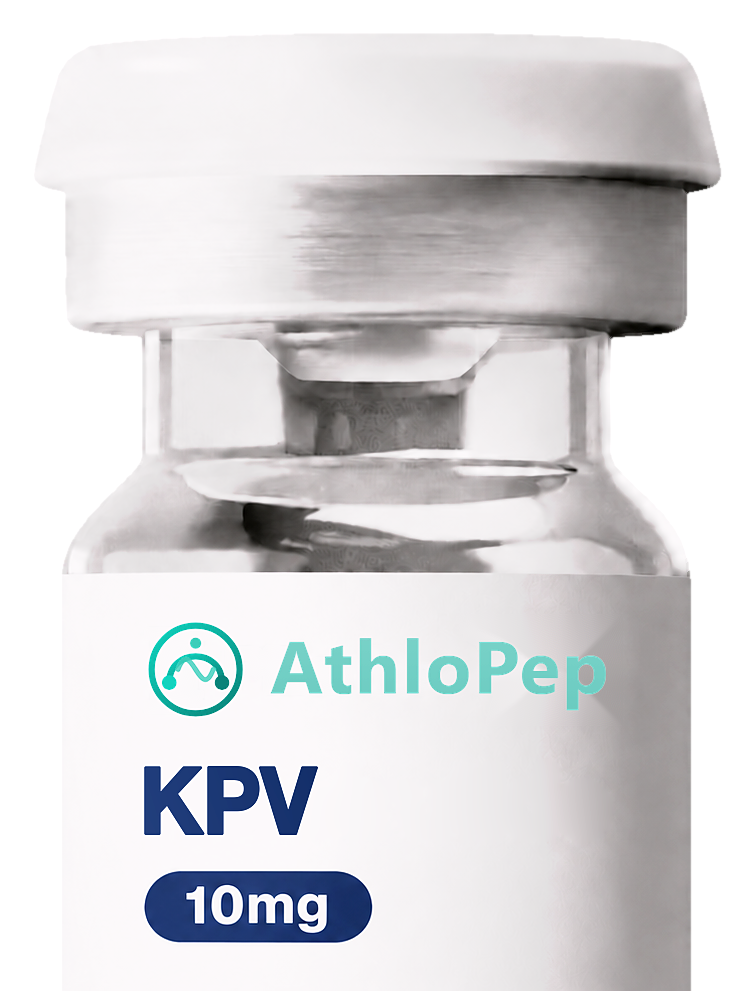
A concise guide to KPV 10mg as a research compound, its documentation, and research-use considerations.
Read articleTell us what you need. An email address is required so we can reply.