AOD-9604: A Research Overview
What AOD-9604 is, where it came from, and what laboratory research does and does not support about this growth-hormone fragment.
Read article
A research-focused look at the synthetic tetrapeptide Epitalon, its study context, and what telomere research can responsibly support.
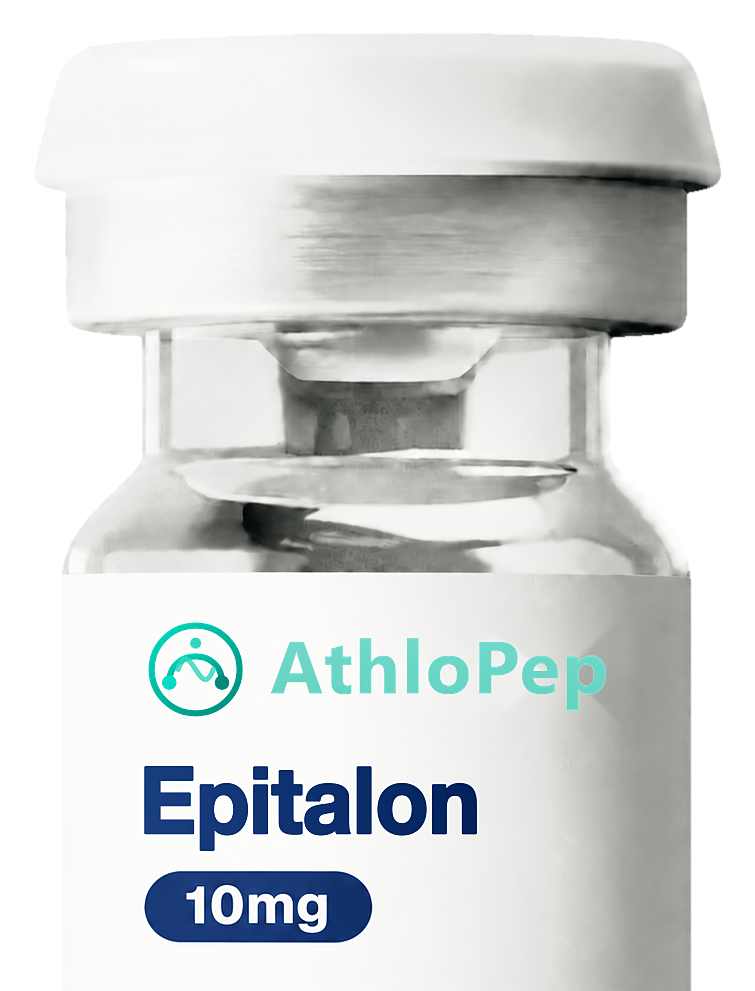
A plain-English guide to Epitalon, the synthetic tetrapeptide studied for pineal and circadian signalling. What the evidence says about telomere research and what it does not.
Check current availability and choose options on the product page. Research Use Only.
Epitalon is a synthetic tetrapeptide - four amino acids - developed by Russian researchers in the 1980s. It is studied mainly for its reported effects on pineal-gland signalling and circadian rhythm. It has also attracted attention in telomere research. This guide separates what the papers actually show from what online discussion claims.
Also known as Epithalon. . Research Use Only.
Epitalon research clusters around three questions: pineal and circadian signalling, gene-expression changes, and telomere-related maintenance in cell models.
The researchers who developed Epitalon describe it as a peptide that mimics or supports the signalling role of the pineal gland's own peptide regulators, which are tied to the body's day-night clock. In cell experiments, they have reported changes in gene expression, including genes involved in telomere maintenance. [ 1 ] , [ 3 ]
Animal studies from the Khavinson group report changes in pineal function and circadian-related markers after Epitalon treatment. These studies are decades of work from one research school, mostly in rodents. [ 1 ] , [ 2 ]
One notable cell-level study reported that Epitalon changed the expression of genes involved in telomere maintenance in cultured cells. [ 3 ] This is a gene-expression observation in a lab model. It is not evidence that Epitalon changes telomere length in a living human.
No modern, independent, large human trials. No regulatory approval. Most published work comes from a single research group. The telomere claims circulating online go well beyond what the source papers demonstrate.
Epitalon is a real, citable research compound with a distinctive evidence base: decades of work from a single school of Russian gerontology. The telomere-adjacent findings are cell-level and preliminary. If you are planning experiments, read the primary papers, note the model and the outcome measured, and treat anything beyond that as speculation.
Evidence note: this overview describes research literature only. It is not a recommendation, a protocol, or evidence of safety or efficacy in humans.
Epitalon is supplied for research and educational purposes only. It is not listed on the Australian Register of Therapeutic Goods (ARTG) and must not be consumed by humans or animals.
Researching pineal and circadian pathways? View Epitalon . For related research, see peptide stability and half-life and how to read a certificate of analysis .
Links lead to the original paper, DOI record, or open-access full text where available.
This compound is supplied for in vitro laboratory and educational research only. It is not listed on the Australian Register of Therapeutic Goods (ARTG) and is not a therapeutic good under the Therapeutic Goods Act 1989 (Cth). Not for human or animal consumption, therapeutic use, or diagnostic procedures. By purchasing, you confirm you are a qualified researcher or acting on behalf of a licensed research facility, and you assume full responsibility for the safe handling, storage, and lawful use of this compound.
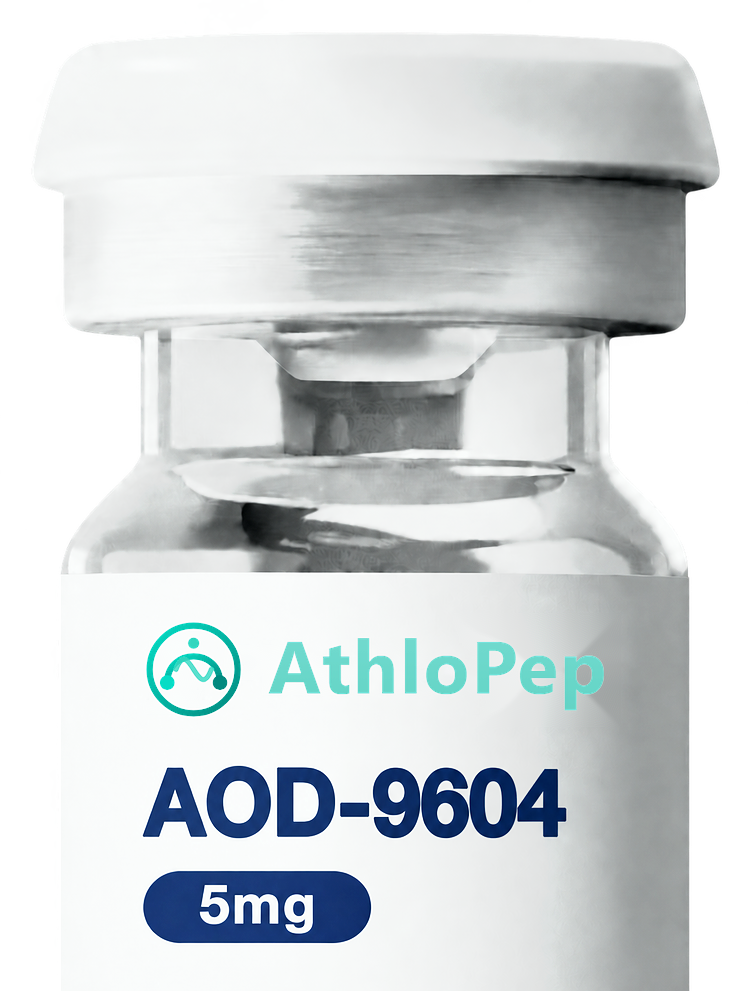
What AOD-9604 is, where it came from, and what laboratory research does and does not support about this growth-hormone fragment.
Read article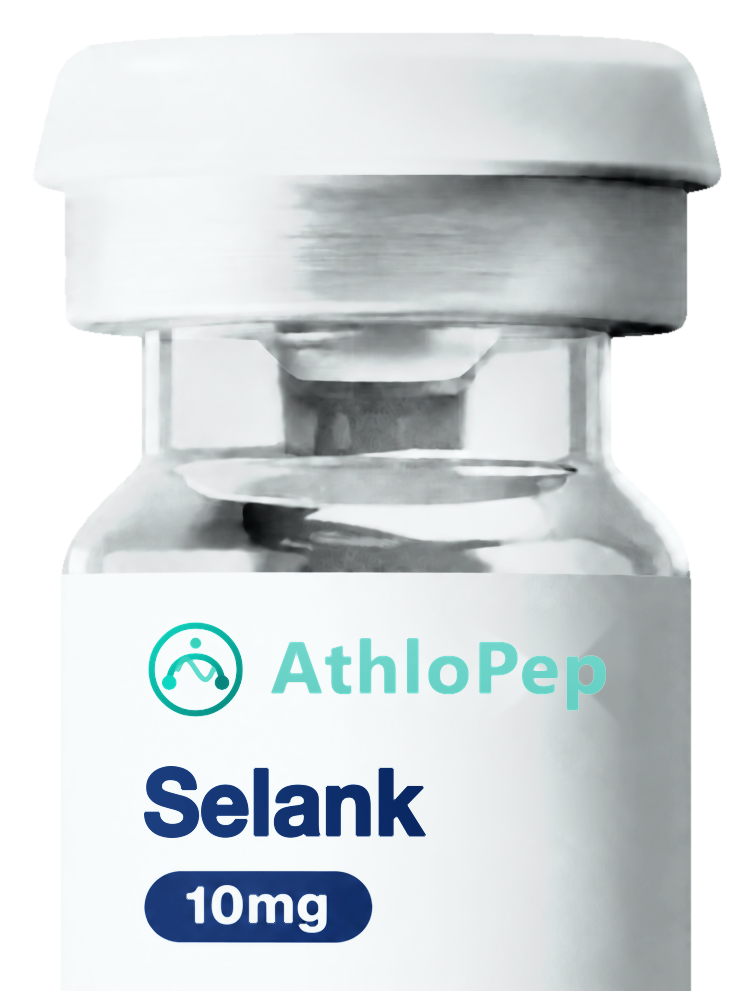
An evidence-led overview of Selank, its origin as a tuftsin analogue, and the boundaries of the research around stress and immune signalling.
Read article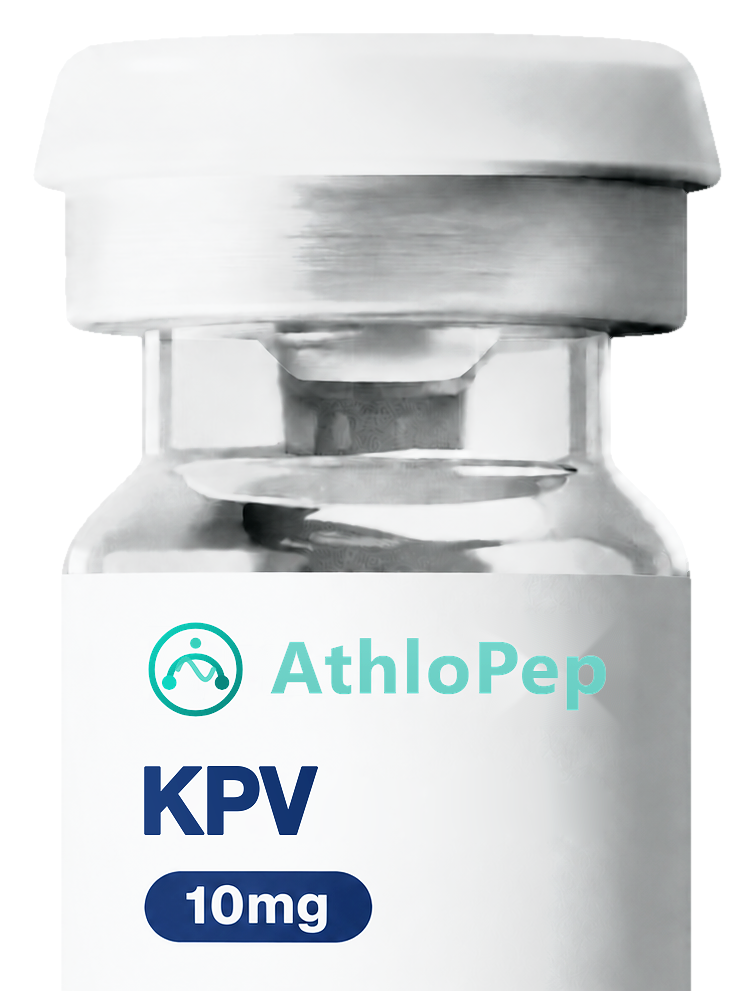
A summary of KPV (Lys-Pro-Val), the cell and animal research behind it, and the limitations of the existing evidence.
Read article
How the KLOW blend is defined, what its four components are, and why a blend name, a label claim and measured batch composition are different things.
Read articleTell us what you need. An email address is required so we can reply.