AOD-9604: A Research Overview
What AOD-9604 is, where it came from, and what laboratory research does and does not support about this growth-hormone fragment.
Read article
Although often mentioned together, TB-500 and BPC-157 are studied through different pathways and should not be treated as interchangeable.
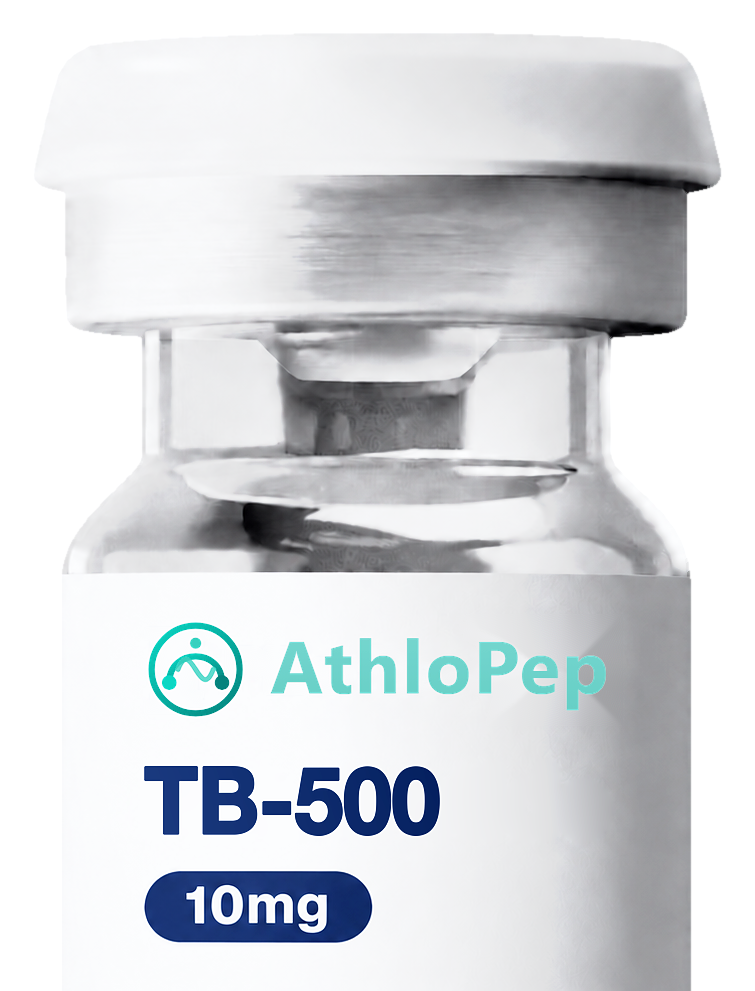
TB-500 and BPC-157 are often mentioned in the same breath, but they work through genuinely different biological pathways. Assuming they're interchangeable is one of the most common mistakes researchers make.
Check current availability and choose options on the product page. Research Use Only.
TB‑500 and BPC‑157 are short chains of amino acids that have become hot topics in laboratories investigating tissue repair and inflammation. Their popularity stems from early observations that each peptide can influence cell behaviour in ways that might be useful for studying healing processes.
For the combined research vial, see Wolverine BPC-157 + TB-500 10mg or Wolverine BPC-157 + TB-500 20mg . These amounts are the total blend per vial, not the amount of each component. Research Use Only.
TB‑500 is a synthetic fragment of thymosin β4, a protein that naturally binds to actin (the structural filament that gives cells their shape). By attaching to actin‑binding sites, TB‑500 is thought to keep actin in a more flexible state, which can accelerate the movement of fibroblasts and endothelial cells – the cell types that crawl into a wound to rebuild tissue. BPC‑157, on the other hand, is derived from a protein found in gastric juice and appears to act through several receptor‑mediated pathways. One prominent hypothesis is that BPC‑157 enhances the activity of VEGF receptors, which trigger the growth of new capillaries, and simultaneously dampens the NF‑κB cascade, reducing the release of pro‑inflammatory cytokines. Together, these actions may create a micro‑environment that supports tissue remodeling while limiting excessive inflammation.
Both peptides are unstable in the presence of proteases, so many labs add stabilisers or store them at low temperature to preserve activity during experiments.
In cultured fibroblasts, TB‑500 has been shown to increase the rate of cell spreading and migration compared with untreated controls, indicating a direct effect on the actin cytoskeleton. Parallel experiments with BPC‑157 demonstrated higher expression of VEGF‑A (the major isoform that drives angiogenesis) and a modest reduction in the levels of TNF‑α (a pro‑inflammatory cytokine) after a simulated injury stimulus. These findings are qualitative – researchers report “enhanced” or “reduced” signalling – rather than precise numerical changes.
Rodent models of skin excision and tendon rupture have been used to compare the two peptides. Animals receiving TB‑500 displayed quicker closure of skin gaps and a more organized collagen matrix, as observed under microscopy. In separate studies, BPC‑157‑treated rats showed increased capillary density in the injured tissue and lower histological scores for inflammation. Importantly, the studies did not include a direct head‑to‑head comparison, so it is unclear which peptide performs better under identical conditions.
To date, no peer‑reviewed clinical trial has been published that evaluates TB‑500 or BPC‑157 in people for tissue‑repair purposes. Small case series have appeared in non‑scientific outlets, but they lack the rigorous controls needed to draw reliable conclusions. The absence of human data means that any translational relevance remains speculative.
Compared with more widely studied peptides such as GHK‑Cu (a copper‑binding tripeptide known for its antioxidant activity), TB‑500 and BPC‑157 target distinct cellular processes – actin dynamics versus angiogenic signalling. This mechanistic divergence makes them complementary tools rather than direct substitutes, and it also influences the type of assay each is best suited for.
Key gaps include the long‑term safety profile of each peptide when used repeatedly, the optimal delivery method to reach target tissues without rapid degradation, and whether the effects observed in rodents translate to larger mammals or humans. Moreover, the precise molecular binding partners of BPC‑157 remain under debate, limiting the ability to predict off‑target actions.
All information presented here is for research and educational purposes only. These peptides are not listed on the Australian Therapeutic Goods Administration (ARTG) registry and are not approved for human or animal consumption.
Links lead to the original paper, DOI record, or open-access full text where available.
This compound is supplied for in vitro laboratory and educational research only. It is not listed on the Australian Register of Therapeutic Goods (ARTG) and is not a therapeutic good under the Therapeutic Goods Act 1989 (Cth). Not for human or animal consumption, therapeutic use, or diagnostic procedures. By purchasing, you confirm you are a qualified researcher or acting on behalf of a licensed research facility, and you assume full responsibility for the safe handling, storage, and lawful use of this compound.
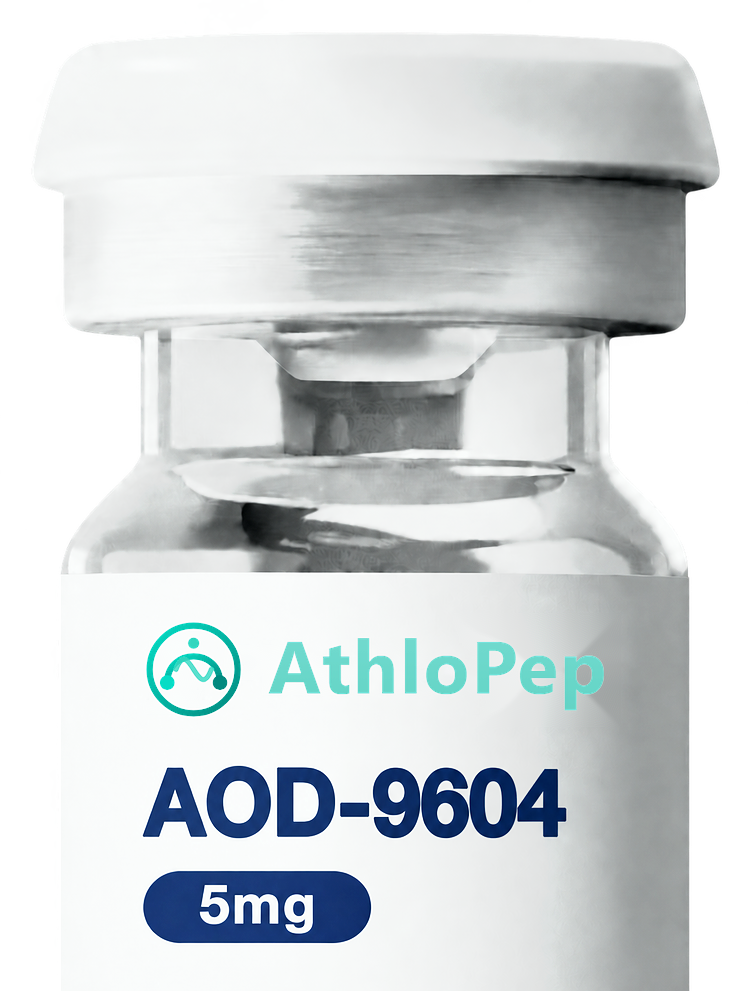
What AOD-9604 is, where it came from, and what laboratory research does and does not support about this growth-hormone fragment.
Read article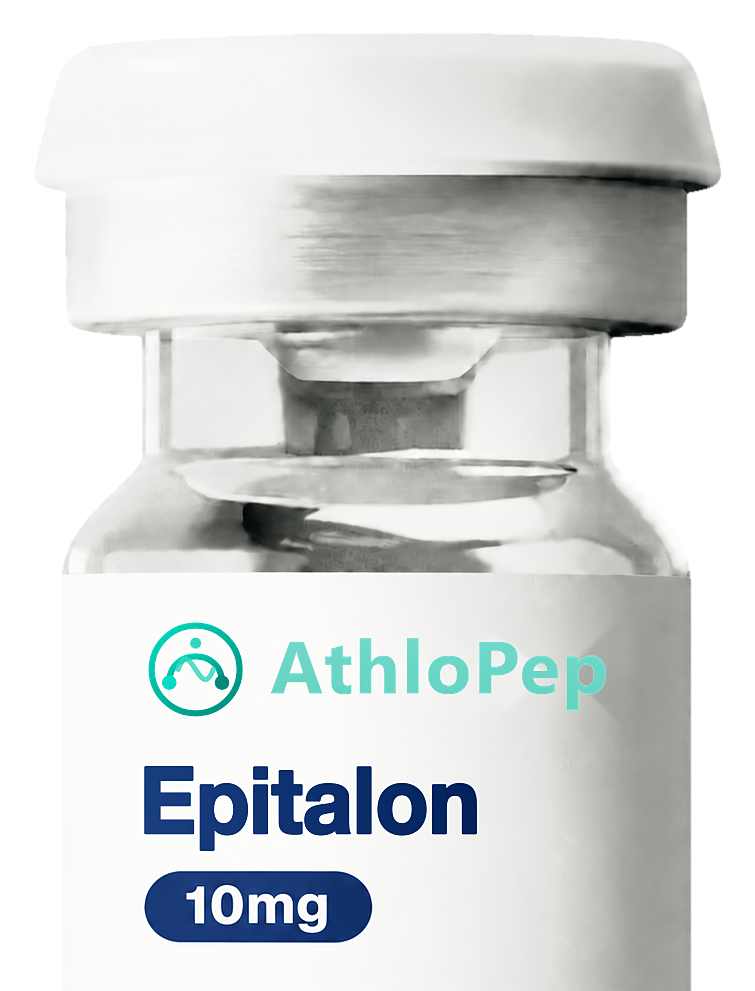
A research-focused look at the synthetic tetrapeptide Epitalon, its study context, and what telomere research can responsibly support.
Read article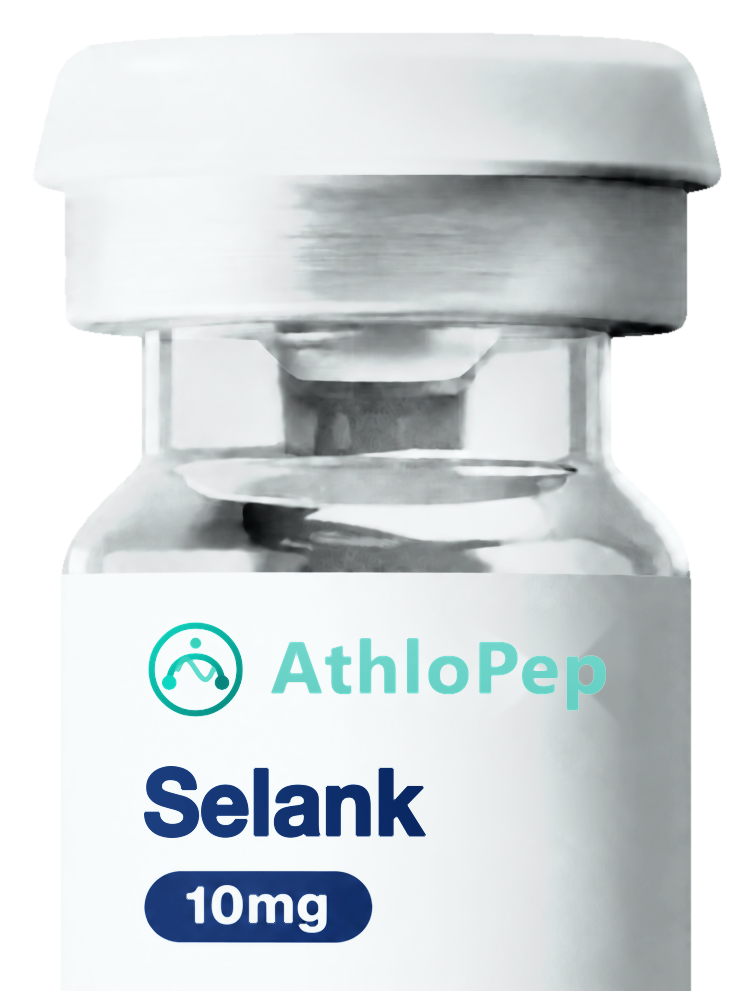
An evidence-led overview of Selank, its origin as a tuftsin analogue, and the boundaries of the research around stress and immune signalling.
Read article
A summary of KPV (Lys-Pro-Val), the cell and animal research behind it, and the limitations of the existing evidence.
Read articleTell us what you need. An email address is required so we can reply.