AOD-9604: A Research Overview
What AOD-9604 is, where it came from, and what laboratory research does and does not support about this growth-hormone fragment.
Read article
An evidence-led overview of Selank, its origin as a tuftsin analogue, and the boundaries of the research around stress and immune signalling.
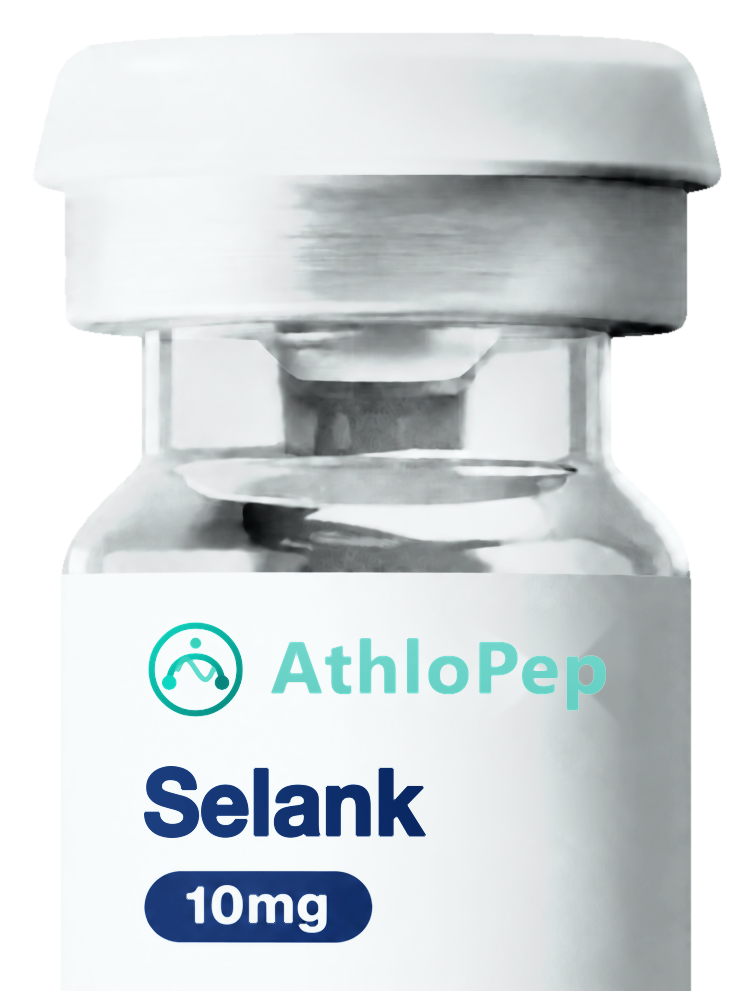
A plain-English look at Selank, the research peptide studied for stress-response and immune-signalling pathways. What the published evidence shows and what it does not.
Check current availability and choose options on the product page. Research Use Only.
Selank is a short synthetic peptide - seven amino acids long - originally developed in Russia and studied mostly in laboratory and animal models. It is supplied as research material only. The questions researchers actually ask about Selank are usually simple: what is it, how does it behave in experiments, and what does the published evidence really show?
The research around Selank falls into two main buckets: stress-response signalling (the same systems involved in anxiety) and immune-signalling. Both lines of work are preclinical or very early-stage human observation.
Published work describes Selank as a peptide that influences the body's regulatory peptide systems - the same family of signalling molecules the brain uses to tune stress responses. In animal studies, researchers have reported changes in brain monoamine activity, which is the language of the mood and stress systems. There is no agreed, single mechanism, and the evidence is far from settled. [ 1 ] , [ 3 ]
Rat studies have reported that Selank changes functional activity in brain monoamine systems in models of anxious-depressive states. These are controlled lab observations about signalling chemistry, not proof of any effect in people. [ 3 ]
A small number of clinical papers from Russia describe Selank used in patients with anxiety-asthenic disorders, reporting changes in symptom scores and immune markers. [ 1 ] , [ 4 ] These studies are small, old, and not replicated internationally. They are worth reading as early observations, not as established evidence.
There is no modern, large, independently replicated trial. No regulatory approval for human use in Australia or the US. No published pharmacokinetic profile that would satisfy a modern regulator. The evidence base is thin by current standards.
The honest summary: Selank is an interesting peptide with a small, mostly Russian-language evidence base. The animal work is real and citable. The human observations exist but are old and small. Anyone planning experiments should read the primary sources directly and treat forum claims with caution.
Evidence note: this overview describes research literature only. It is not a recommendation, a protocol, or evidence of safety or efficacy in humans.
Selank is supplied for research and educational purposes only. It is not listed on the Australian Register of Therapeutic Goods (ARTG) and must not be consumed by humans or animals.
Researching neuropeptide signalling? View Selank . For related research, see the Semax neuropeptide review and the KPV peptide overview .
Links lead to the original paper, DOI record, or open-access full text where available.
This compound is supplied for in vitro laboratory and educational research only. It is not listed on the Australian Register of Therapeutic Goods (ARTG) and is not a therapeutic good under the Therapeutic Goods Act 1989 (Cth). Not for human or animal consumption, therapeutic use, or diagnostic procedures. By purchasing, you confirm you are a qualified researcher or acting on behalf of a licensed research facility, and you assume full responsibility for the safe handling, storage, and lawful use of this compound.
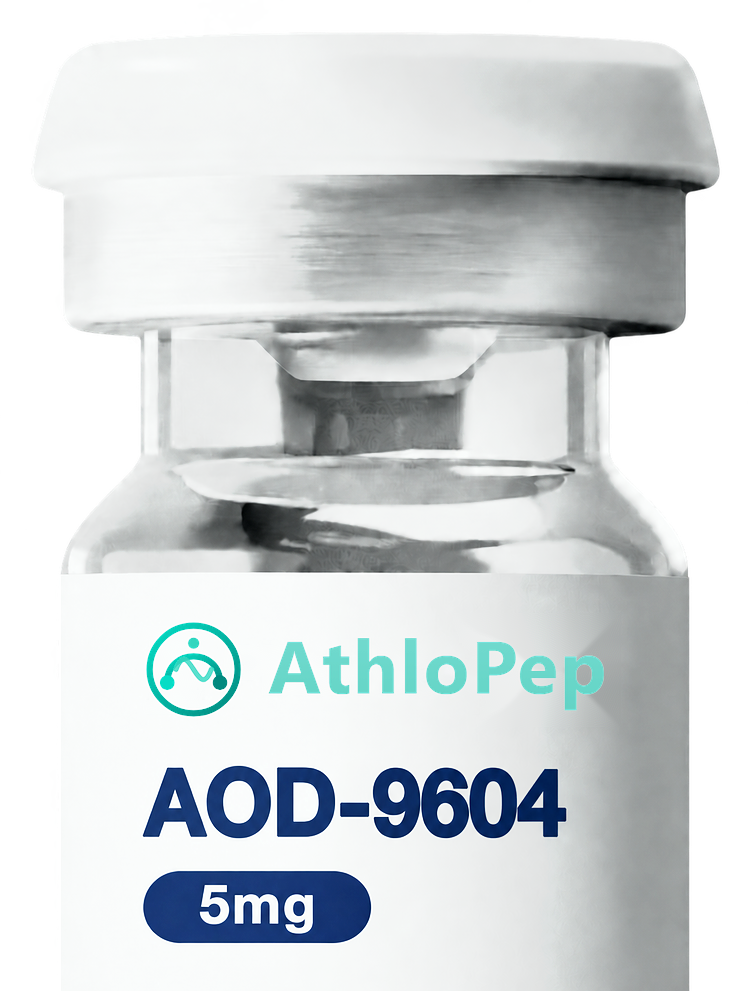
What AOD-9604 is, where it came from, and what laboratory research does and does not support about this growth-hormone fragment.
Read article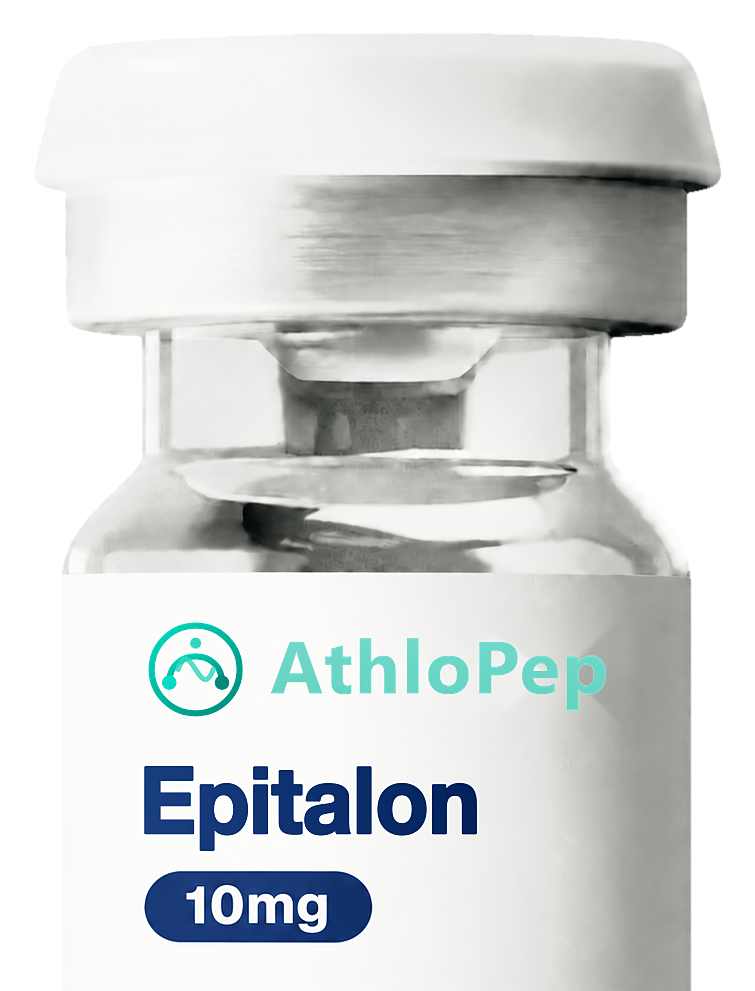
A research-focused look at the synthetic tetrapeptide Epitalon, its study context, and what telomere research can responsibly support.
Read article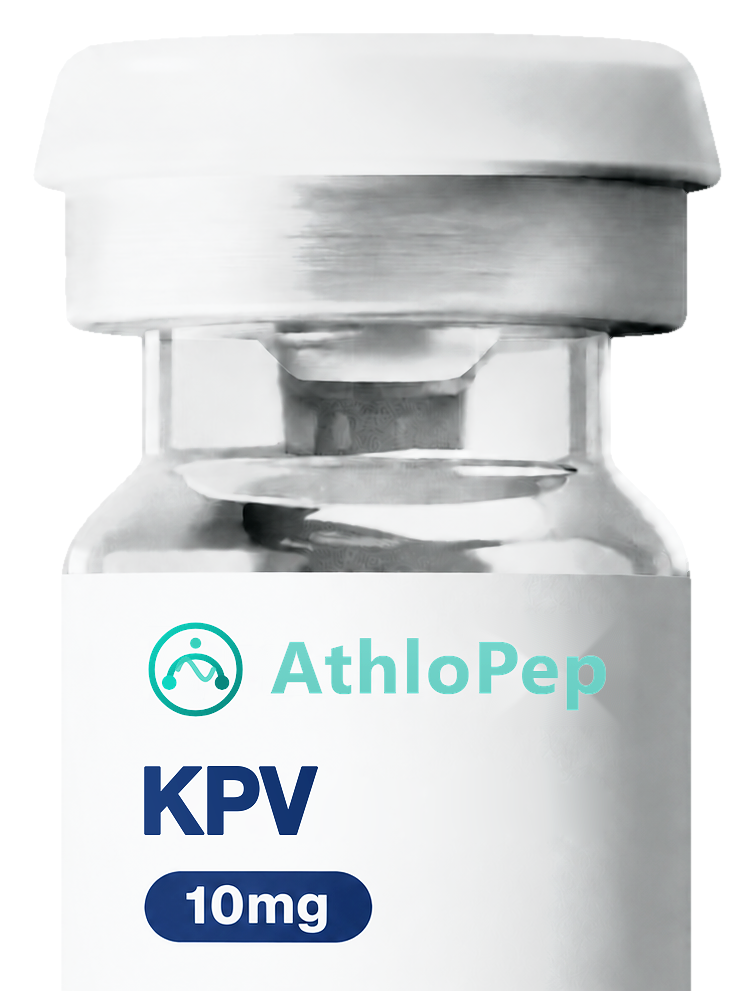
A summary of KPV (Lys-Pro-Val), the cell and animal research behind it, and the limitations of the existing evidence.
Read article
How the KLOW blend is defined, what its four components are, and why a blend name, a label claim and measured batch composition are different things.
Read articleTell us what you need. An email address is required so we can reply.